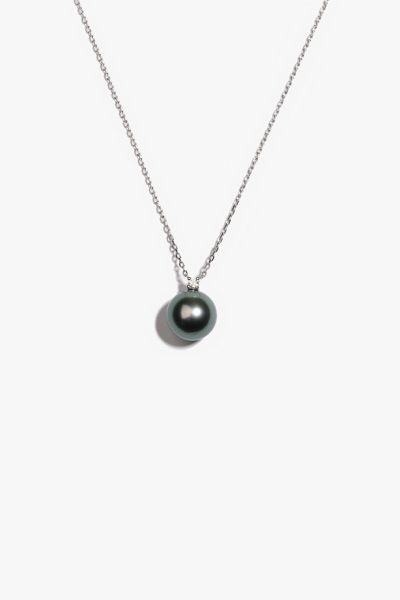
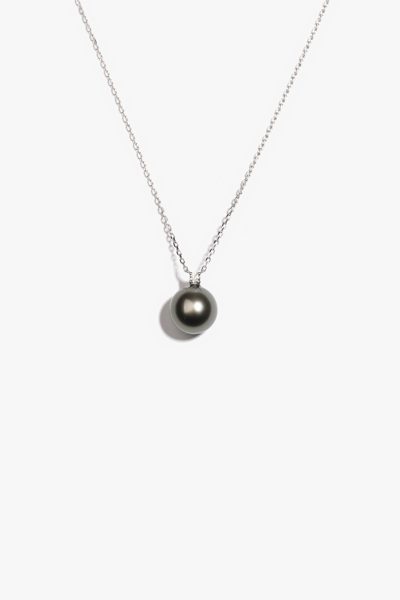
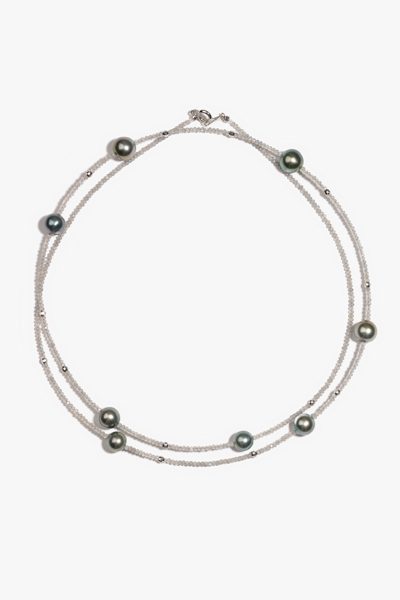
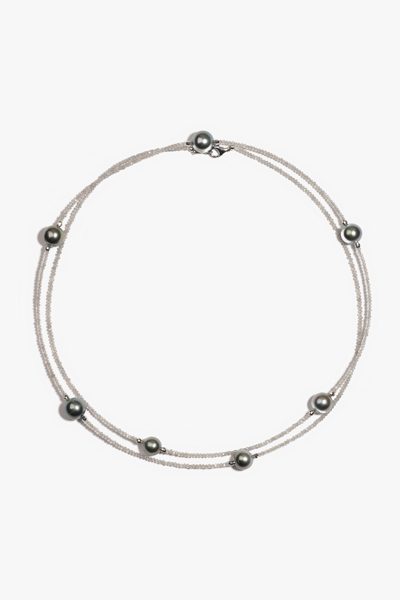
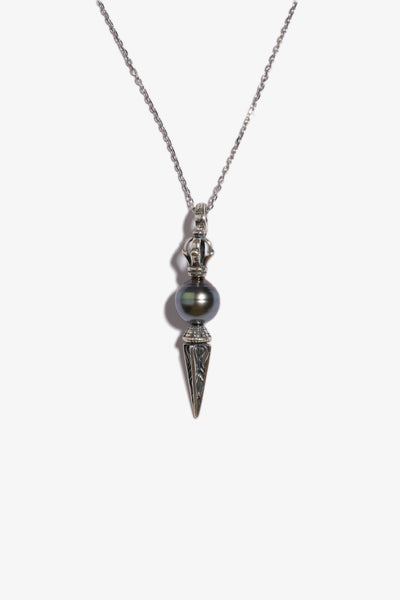
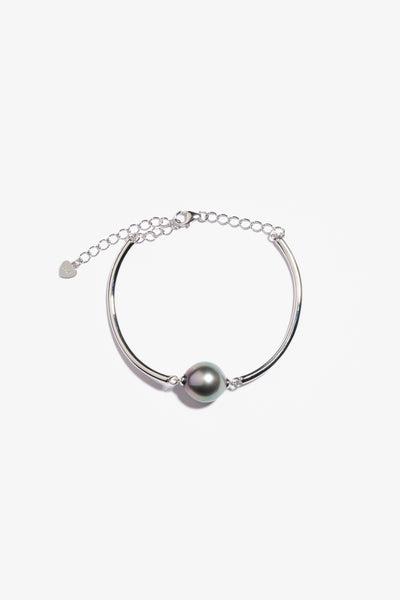
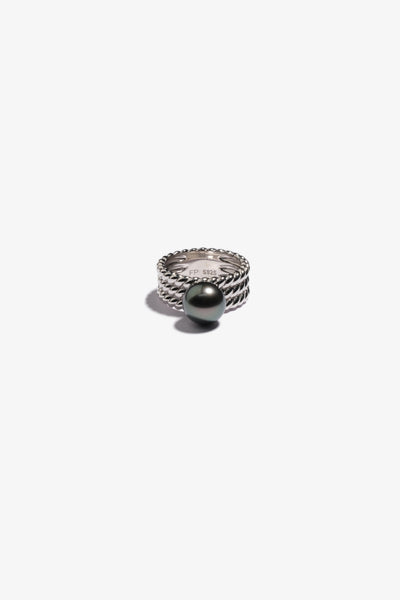
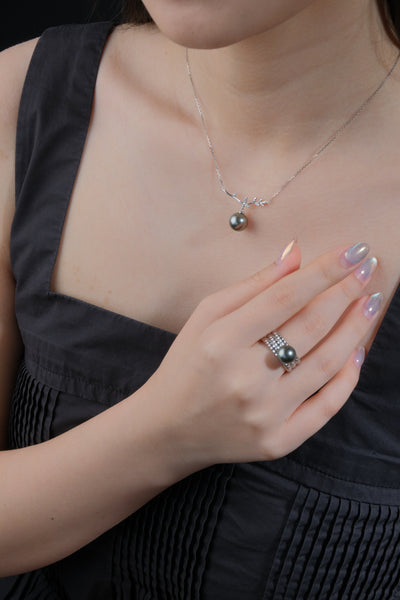
Tahitian Pearls
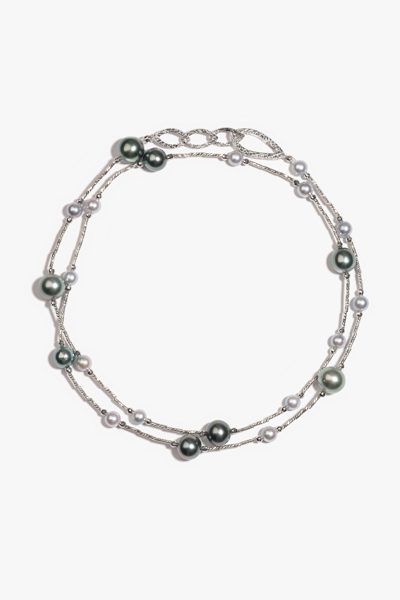
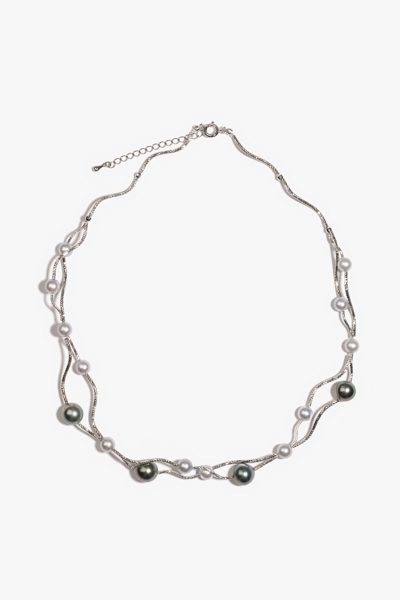
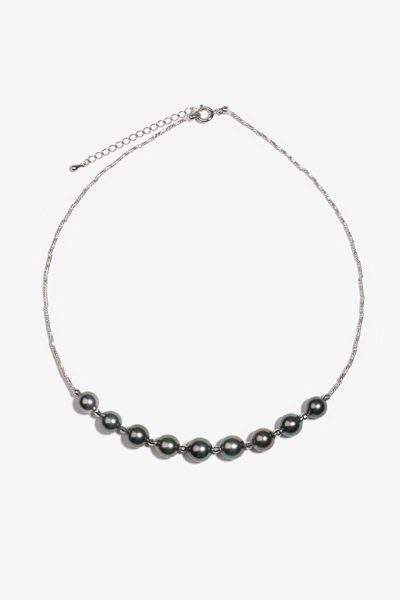
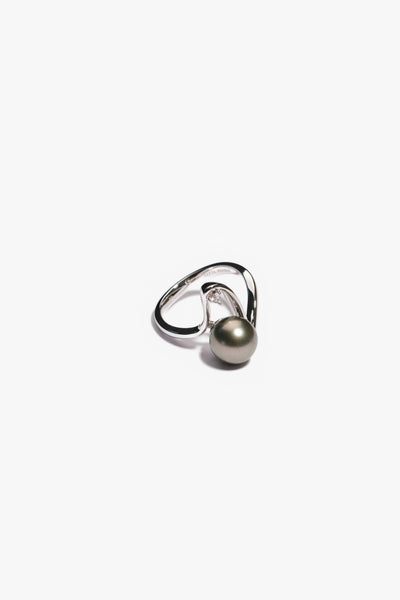
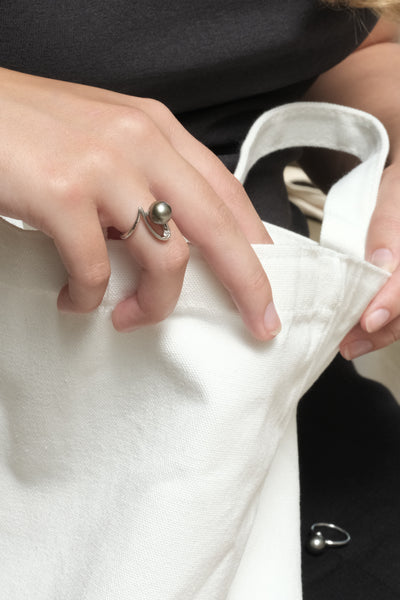
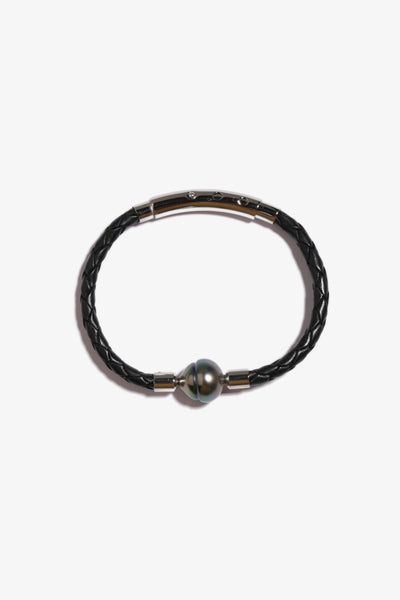
Explore our selection of Tahitian pearls. Produced in French Polynesia and parts of South East Asia, they are renowned for their exotic black colour and iridescence.
Our guide to Tahitian pearls explains their colours and overtones, sizes and shapes, what to look for in a good one and how they compare with other pearl types.
FAQ
Why buy Tahitian pearls?
Tahitian pearls are the only naturally dark pearls we sell. Their colour comes from the black-lipped oyster that grows them, and it runs from grey to deep green, often with blue or purple overtones, so no two look quite alike. They are the pearl to choose if you want something other than white.
What Tahitian pearl jewellery do you stock?
What is the difference between Tahitian pearls and black freshwater pearls?
A Tahitian pearl is naturally dark. Its colour comes from the black lip of the oyster that grows it. Freshwater mussels do not grow dark pearls, so black freshwater pearls are dyed. Tahitian pearls are also larger, mostly 9mm to 12mm, and have an overtone that shifts as the pearl moves. Every dyed pearl we sell is labelled as dyed.
What is the difference between Tahitian and South Sea pearls?
Both grow in large oysters around a shell bead for around two years. Tahitian pearls come from the black-lip oyster in French Polynesia and are naturally dark. Australian South Sea pearls come from the silver-lip oyster off northern Australia, are white or silver and are generally larger. Tahitian pearls usually cost less than South Sea pearls of the same size. See our guide to Australian South Sea pearls.
Are Tahitian pearls suitable for men?
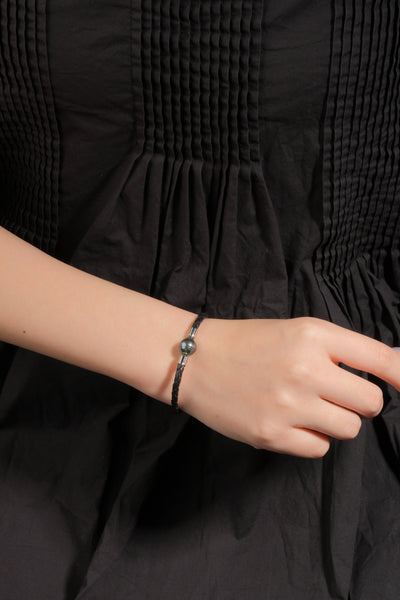
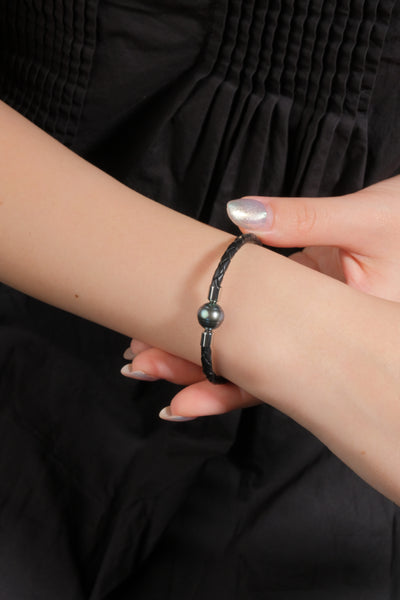
Yes. Their dark colour makes Tahitian pearls a popular choice for men, especially in a pendant or a bracelet.
Do you have Tahitian pearls in gold?
Yes. We set Tahitian pearls in sterling silver and in 9k and 18k solid gold.