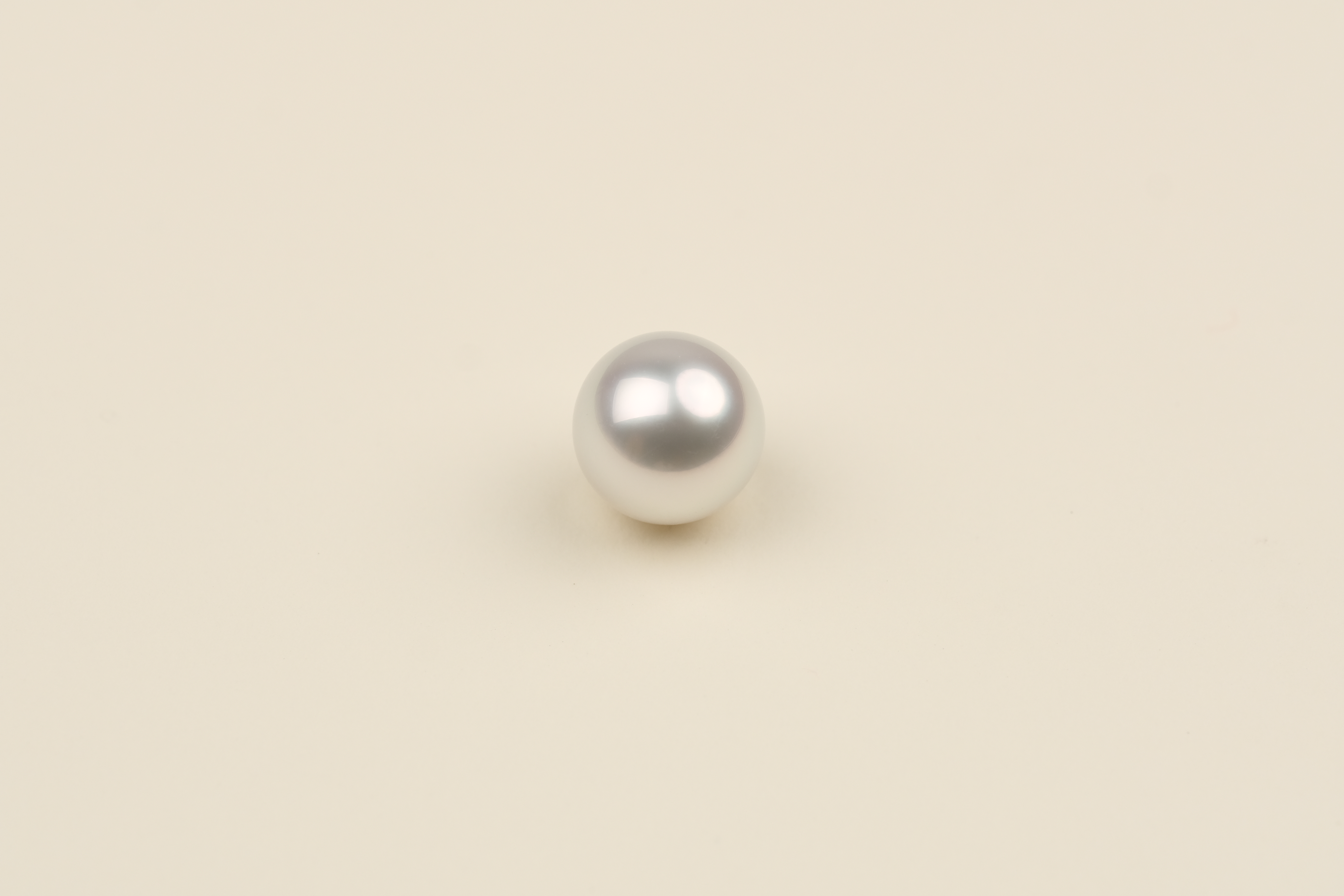
Australian South Sea Pearls
Updated 22nd November 2026
Australian South Sea pearls are grown in the silver-lipped pearl oyster, Pinctada maxima, the largest pearl oyster in the world. They come from the clean, tidal waters off the north-west coast of Australia, centred on Broome and the Kimberley in Western Australia, with farms reaching across to the Northern Territory. Much of the Australian industry still raises oysters that were gathered from the sea floor, under strict quotas.
Each pearl is grown around a shell bead for around two years. The oyster is large and grows its nacre quickly in warm water, so Australian South Sea pearls are both big and thickly coated with nacre. That thick nacre gives them a deep, satin lustre that looks soft rather than mirror-bright.
Sizes
Australian South Sea pearls are the largest cultured pearls. They range from about 9mm to 20mm, and most are between 11mm and 15mm. Pearls over 16mm are uncommon, and large round pearls are rare.
Colours and overtones
The silver-lipped oyster grows white and silver pearls. Many show a pink, blue or green overtone, and a white pearl with a rose overtone is especially valued. Their colour is natural.
Shapes
Round Australian South Sea pearls are rare and command the highest prices. Most are Near Round, Drop, Oval, Button, Circle or Baroque, and their size makes these shapes especially striking in pendants and earrings.
What makes a good Australian South Sea pearl
Look at lustre first: a good pearl has a deep glow with clear reflections, not a chalky or dull surface. Then look at the surface, which should be clean where it shows, and at the shape. Because these pearls are large, small marks are easier to see, so compare them in daylight if you can.
Value
Australian South Sea pearls are the most valuable cultured pearls. Their price reflects their size, their thick nacre and the long, careful farming each pearl needs. Within the type, size, roundness and lustre drive the price.
Caring for Australian South Sea pearls
Their thick nacre makes these pearls durable. Large pearls are heavy, so strands and drops worn often should be checked and restrung when the thread stretches. Our Care Guide covers the rest.
Why we sell them
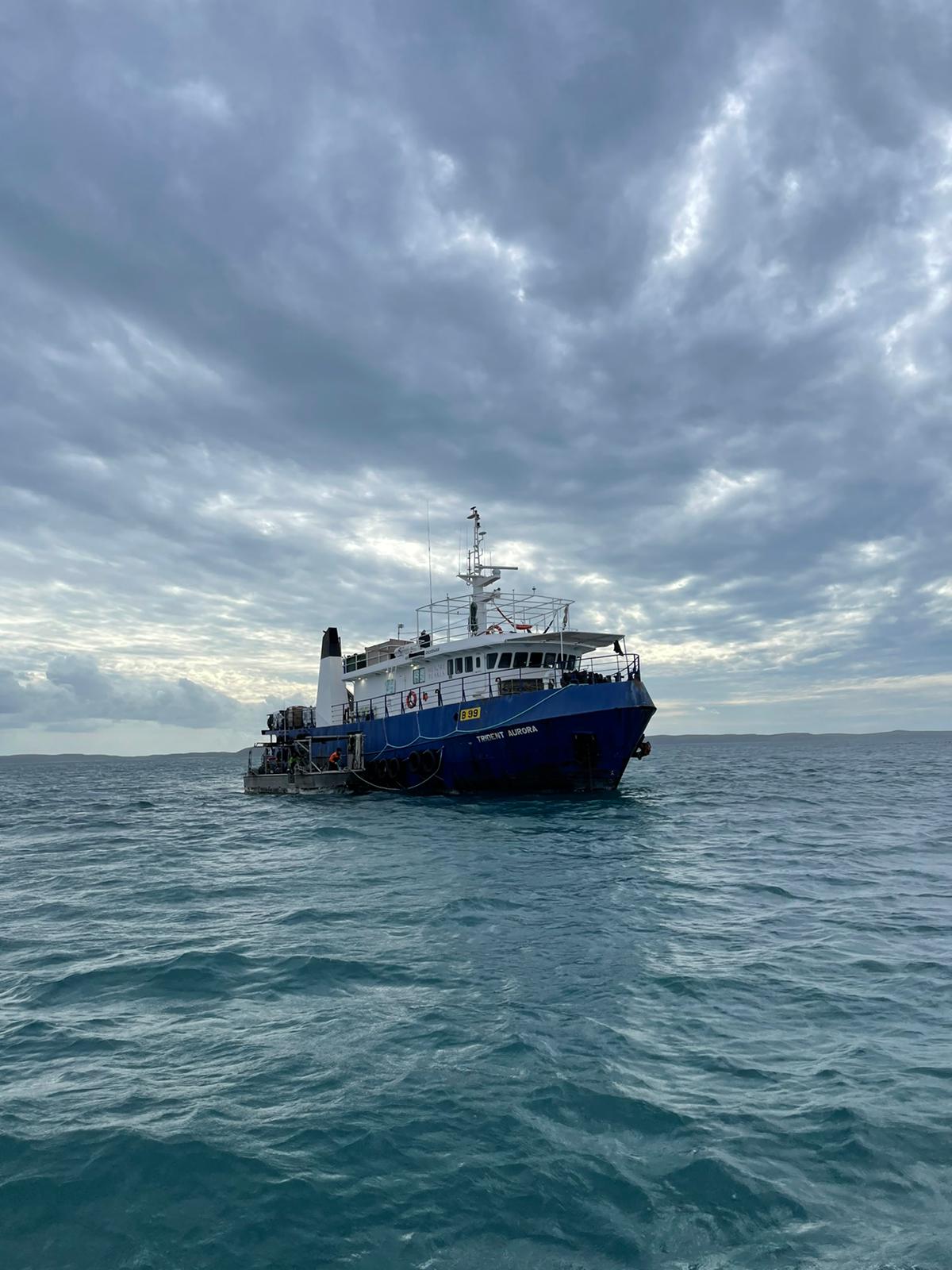
Australia's pearling history goes back to the 1800s, long before cultured pearls. Grown in the waters of northern Australia, Australian South Sea pearls are, in our view, the pinnacle of pearls and the finest examples available.
South Sea pearls
South Sea pearls are grown in the same oyster, Pinctada maxima, on farms across South-East Asia, chiefly in Indonesia, the Philippines and Myanmar. They are grown the same way, around a shell bead for around two years, so they share the large size, thick nacre and satin lustre of Australian South Sea pearls. Where a pearl comes from the gold-lipped variety of the oyster and shows a gold colour, we sell it as Golden South Sea.
South Sea pearls range from about 9mm to 16mm, and occasionally larger, with most between 10mm and 13mm. They grow in white, silver and cream, and in pale champagne shades, often with a soft pink or silver overtone. As with Australian South Sea pearls, round pearls are rare, and most are Near Round, Drop, Oval, Button, Circle or Baroque. Look for the same things: a deep, even glow, clear reflections, and a surface that is clean where it shows.
FAQ
Why are Australian South Sea pearls so expensive?
They are the largest cultured pearls, each grows for around two years, and the oysters produce one pearl at a time. Their thick nacre and natural colour add to their value. An oyster also needs time to mature, and usually cannot grow a large pearl the first time it is seeded, so all told it can take up to seven years to produce an Australian South Sea pearl from start to finish.
What is the difference between Australian South Sea and South Sea pearls?
Both come from the same species of oyster. Australian South Sea pearls are grown in Australian waters, while South Sea pearls come from farms across South-East Asia, and each region's pearls have their own range of colours and sizes.