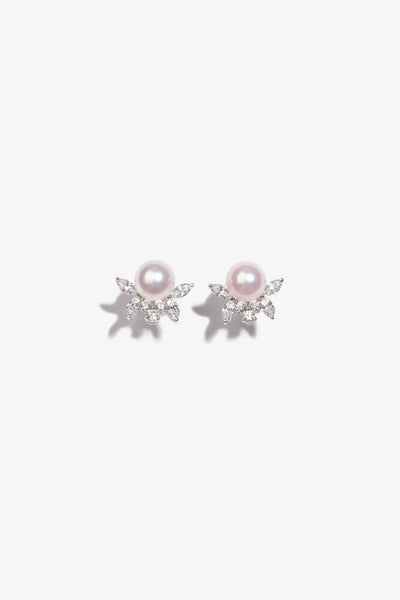
Akoya Pearls
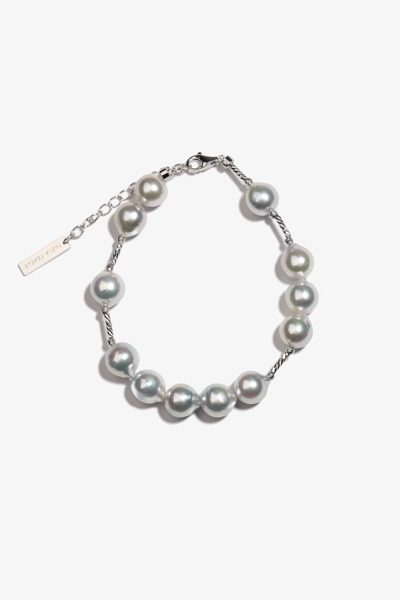
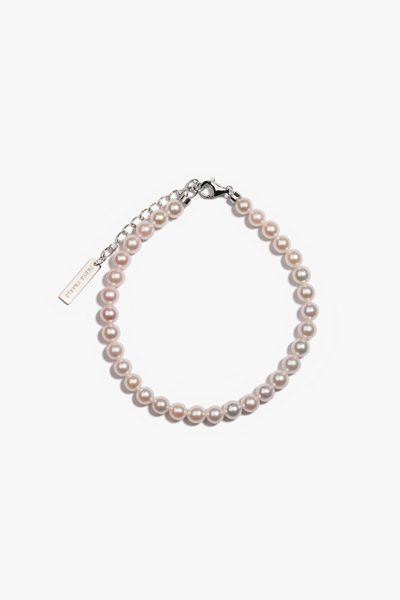
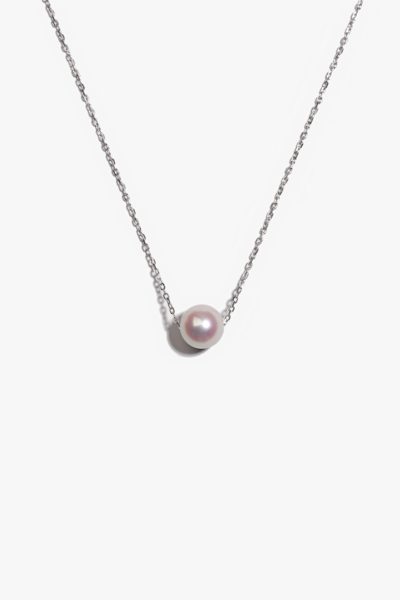
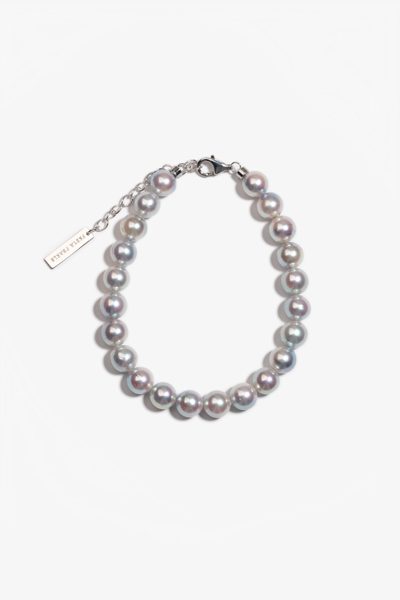
Akoya pearls are one of the first sea pearls to be cultured, they are typically of a smaller size but have the most exceptional brilliance of all seawater pearls.
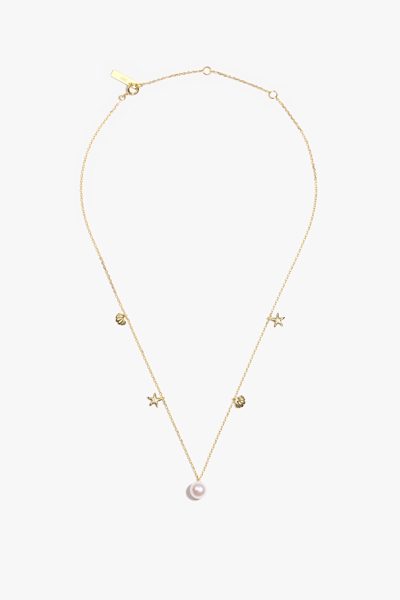
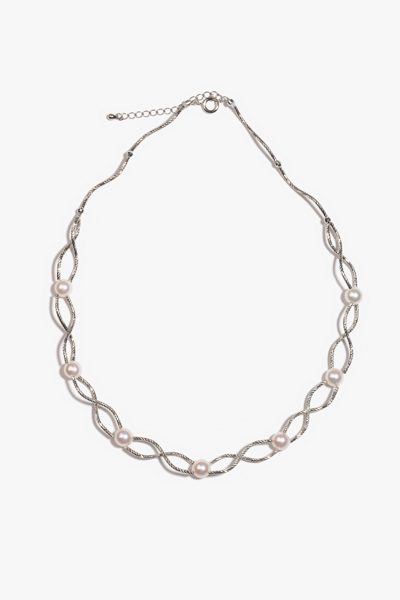
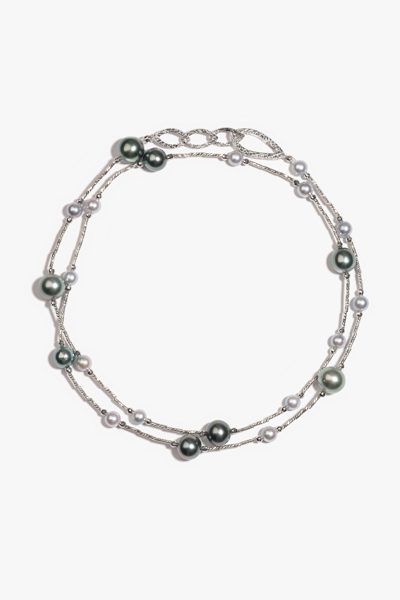
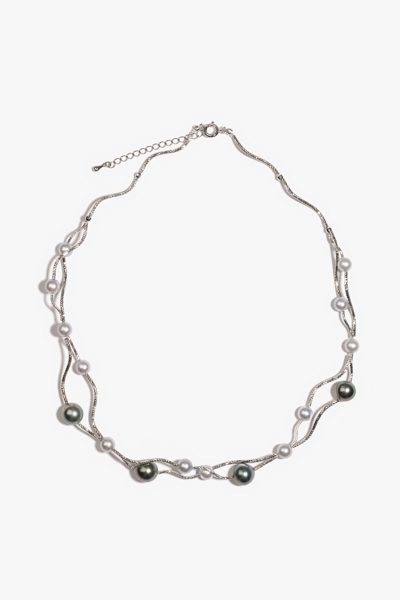
Our guide to Akoya pearls explains their sizes, colours and overtones, what to look for in a good one and how they compare with other pearl types.
FAQ
Why buy Akoya pearls?
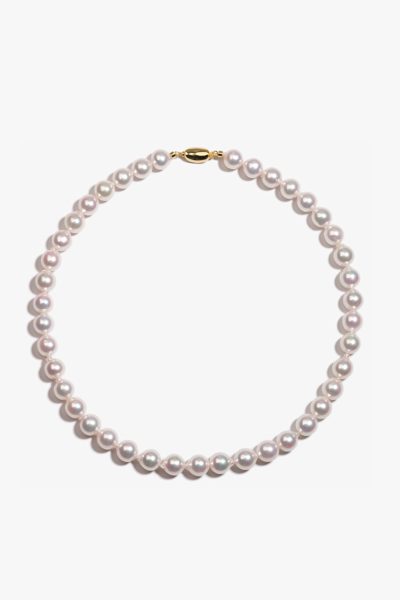
Akoya pearls have the sharpest lustre of the pearls we sell, and a good one reflects light almost like a mirror. Most are round, so they match well in a strand or a pair of earrings, and they sit between freshwater and South Sea pearls in price. That makes them the classic choice for a first strand or for earrings you can wear every day. Our Akoya pearls come from Japan.
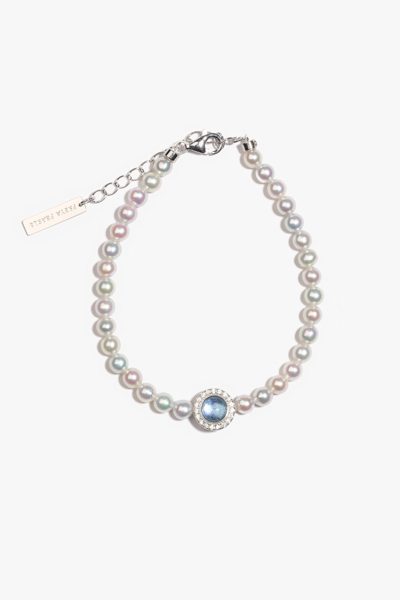
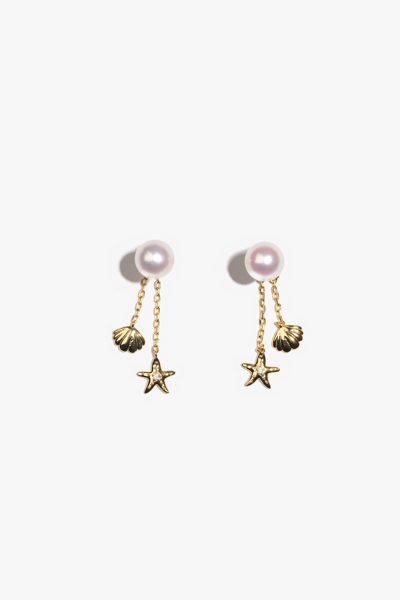
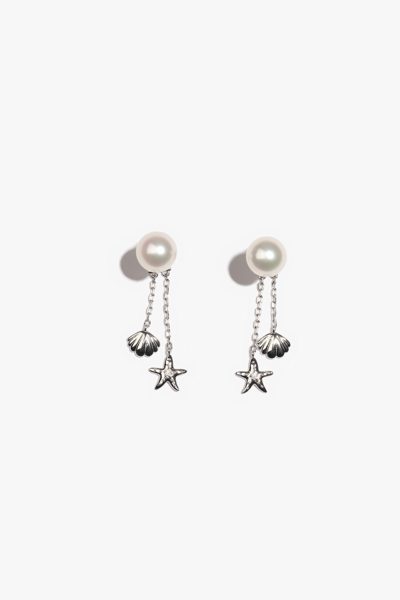
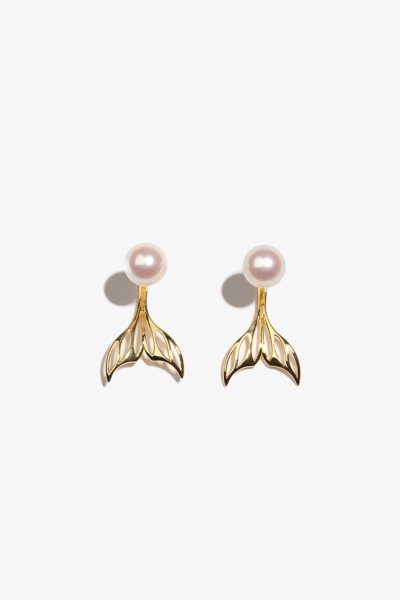
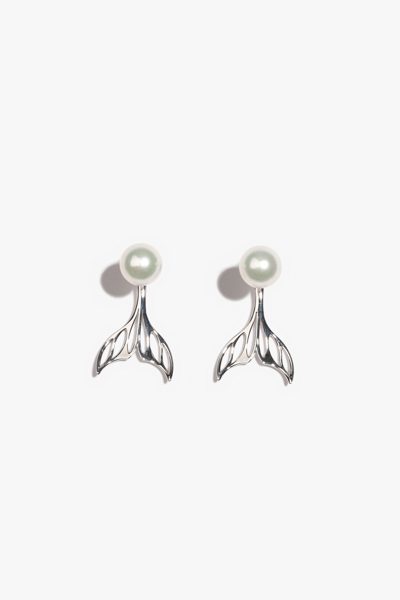
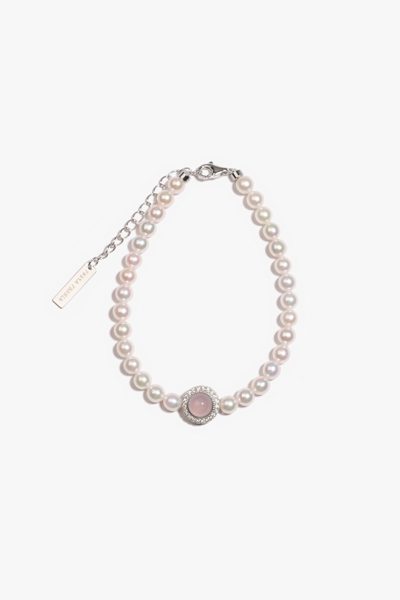
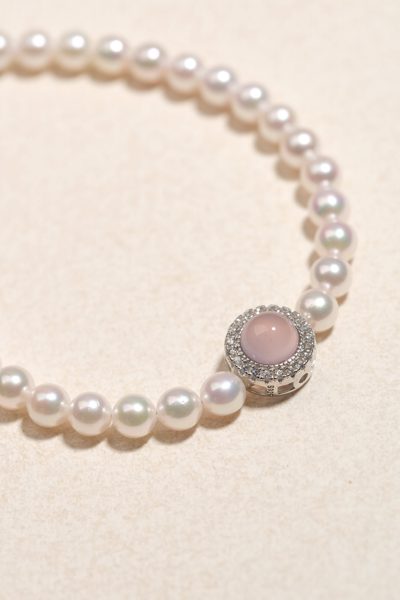
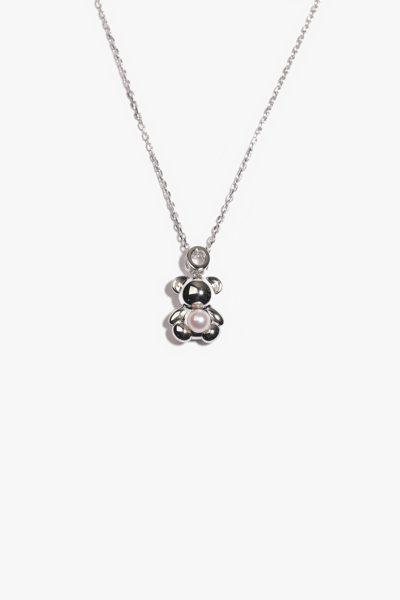
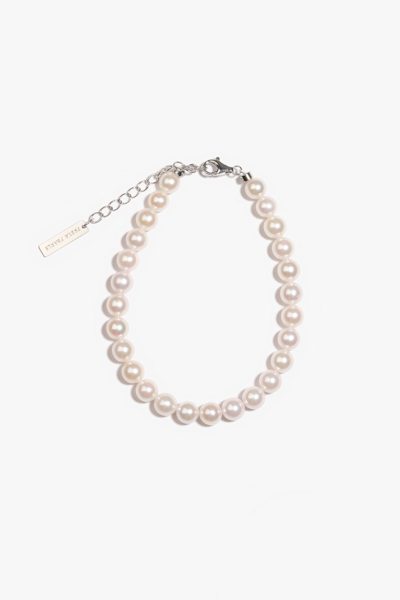
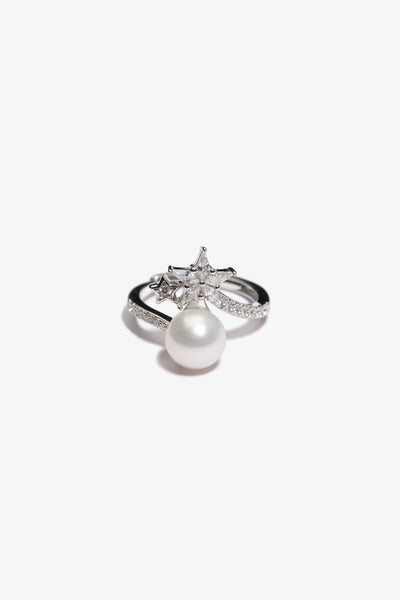
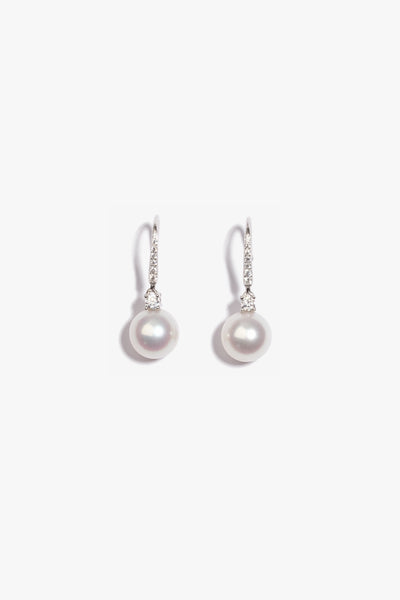
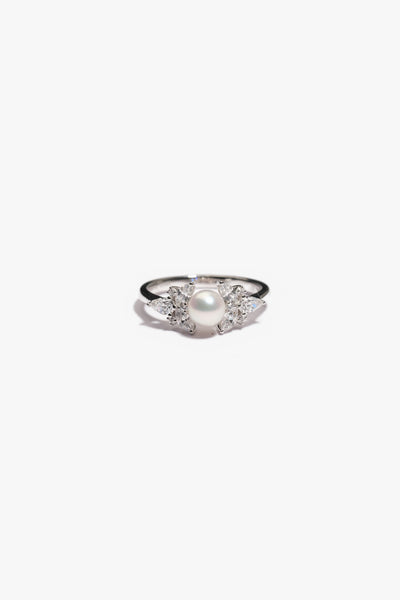
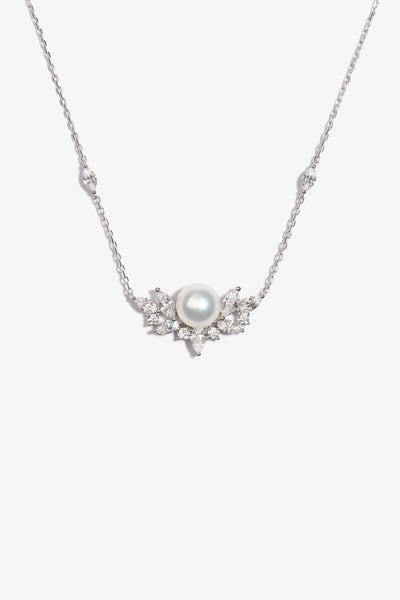
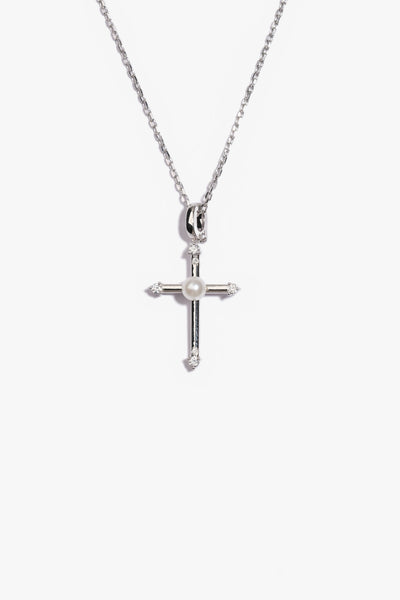
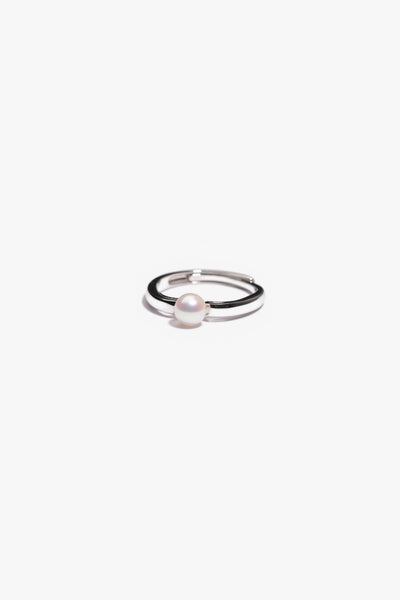
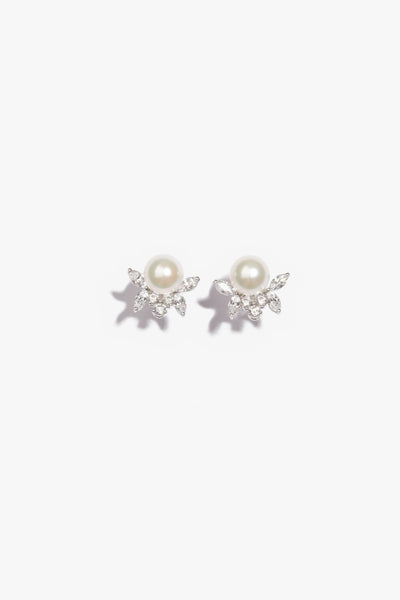
What Akoya pearl jewellery do you stock?
What is the difference between Akoya and freshwater pearls?
Akoya pearls are saltwater pearls, grown in a small oyster around a round shell bead, mainly in Japan. Freshwater pearls are grown in mussels in China, mostly without a bead, so they are solid nacre. A good Akoya pearl is rounder and has a sharper, more mirror-like lustre, while a freshwater pearl has a softer glow and comes in more shapes and colours. Size for size, freshwater pearls cost less. Our guides to Akoya and freshwater pearls go into more detail.
What is the difference between Akoya and South Sea pearls?
Akoya pearls are smaller, mostly 6mm to 8mm, with a bright, sharp lustre. Australian South Sea pearls are the largest cultured pearls, with thick nacre and a soft, satin lustre. Akoya pearls cost less and suit a classic strand or earrings for every day, while a South Sea pearl is the choice for a large pendant or pair of earrings. See our guide to Australian South Sea pearls.
Do your Akoya pearls come with a certificate?
Pieces that come with our certificate list it on the product page. It records each pearl's origin, size, shape, lustre, surface and nacre, and whether it has been treated, using the grades in our Grading Guidelines. The finest Akoya pearls can also carry a Hanadama certificate from the Pearl Science Laboratory or the Japan Pearl Institute, and the product page says so when a piece has one.
Do you have Akoya pearls in colours other than white?
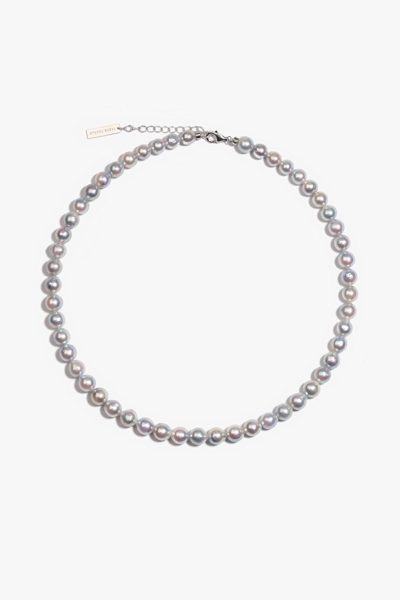
Yes. Alongside white Akoya pearls, often with a pink overtone, we have them in pink, silver and blue. Some of these colours come from treatment, and each product page says whether the pearl is treated.