Grading Guidelines
Updated 22nd November 2026
The following specifies the grading criteria used by Freya Pearls for its pearl jewellery. We grade every pearl ourselves when we buy it from our suppliers, against the scales below, and the same scales are printed on our certificates.
Type
Type is the kind of pearl, which comes from the oyster or mussel it grew in and where it was grown.
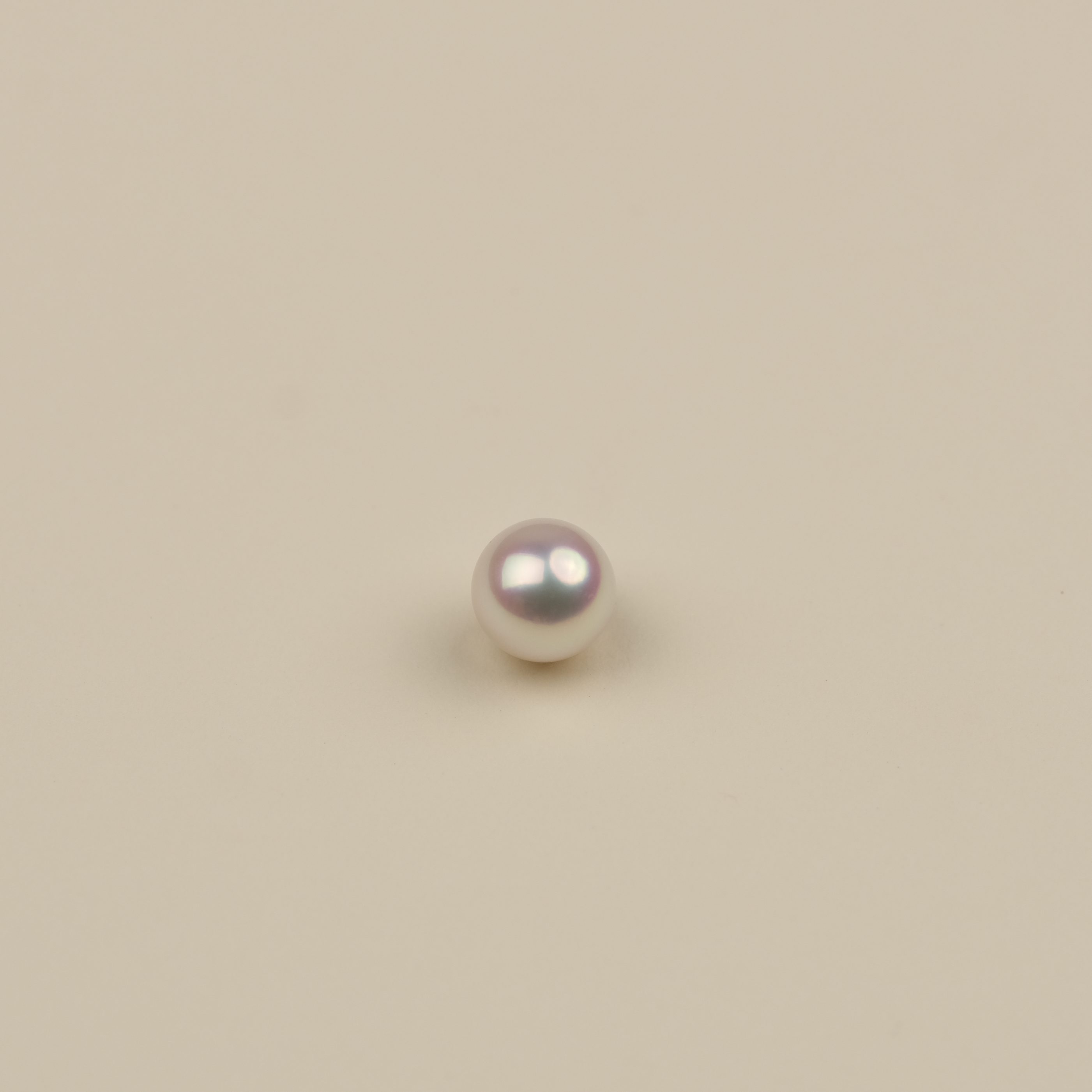 Akoya
Akoya pearls are small, round saltwater pearls from Japan with a sharp, mirror-like lustre.
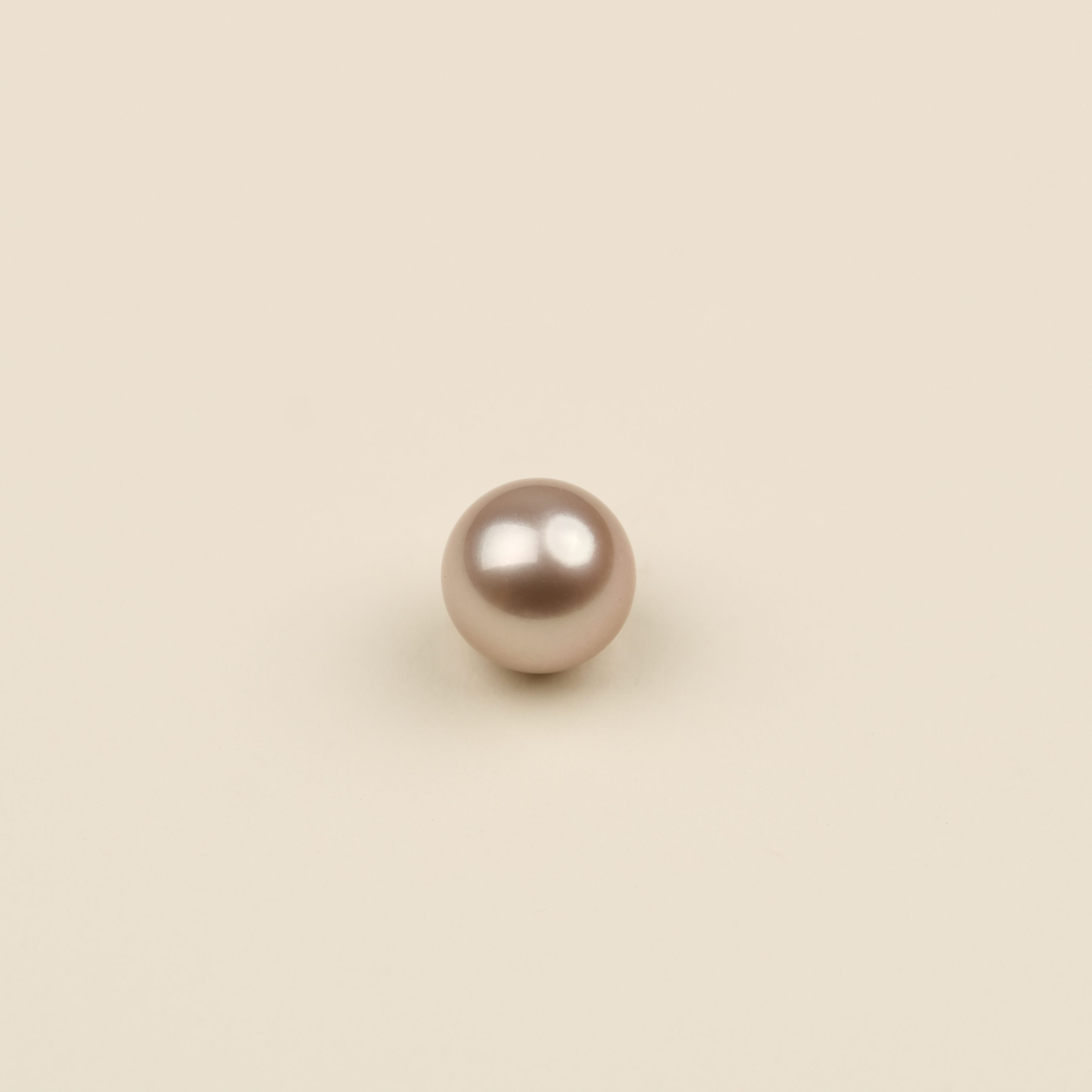 Freshwater
 pearls are grown in mussels in China and come in the widest range of sizes, shapes and natural colours of any pearl.
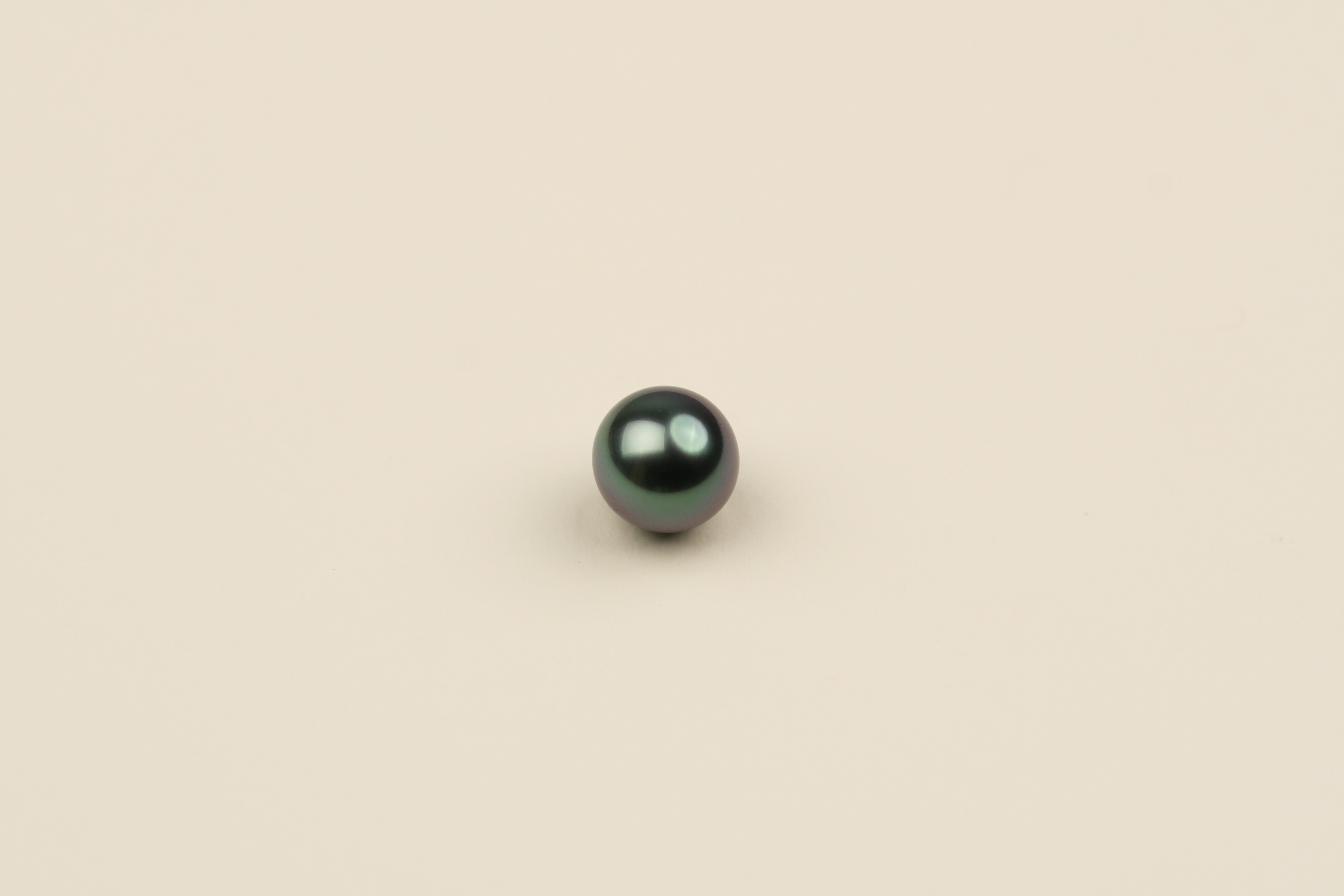 Tahitian
 pearls are dark saltwater pearls from French Polynesia, in natural shades of grey, green, blue and purple.
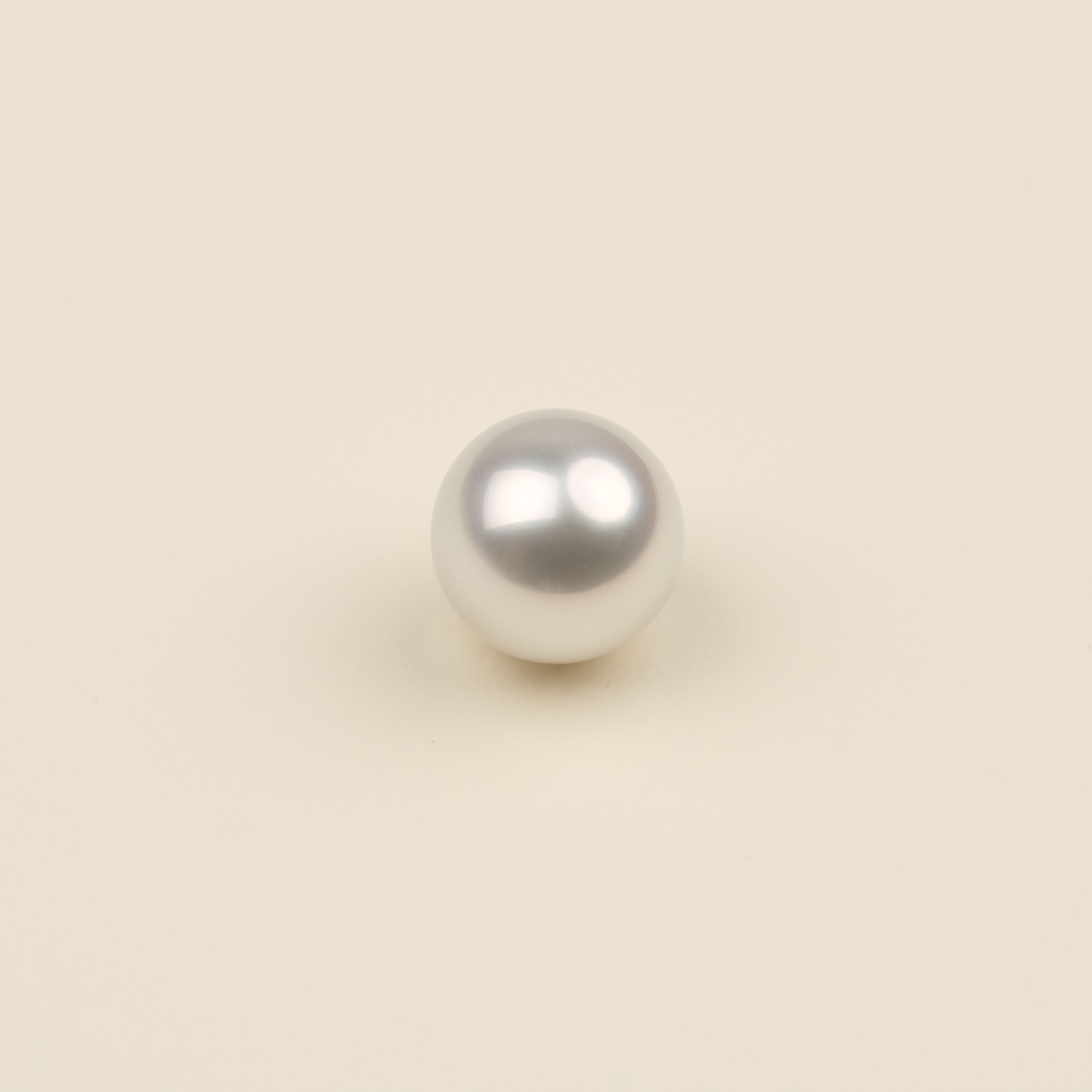 Australian South Sea
 pearls are large white and silver pearls grown off the north-west coast of Australia, known for their thick nacre and satin lustre. Product of Australia.
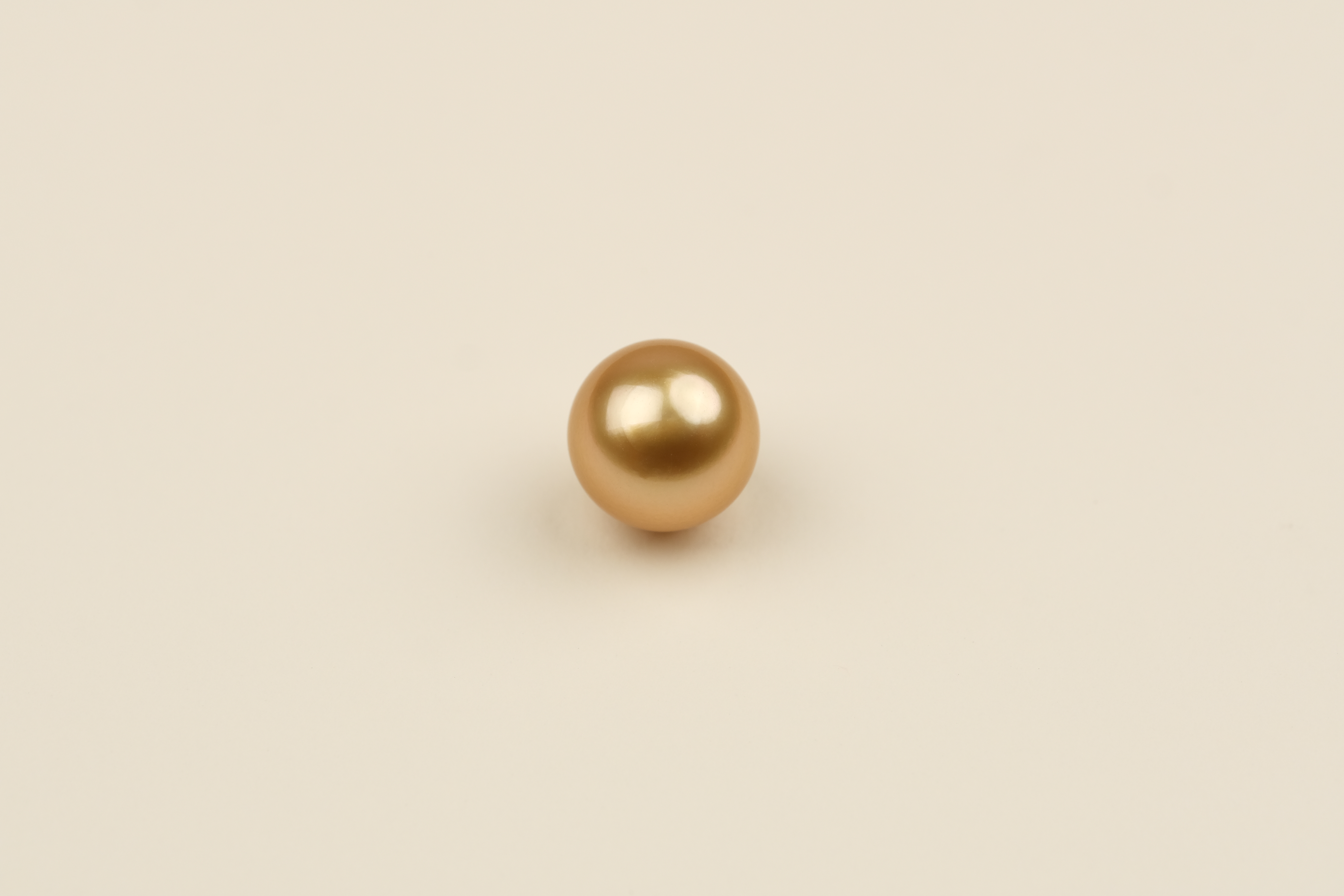 Golden South Sea
 pearls are large pearls in shades from champagne to deep gold, grown in Indonesia and the Philippines.
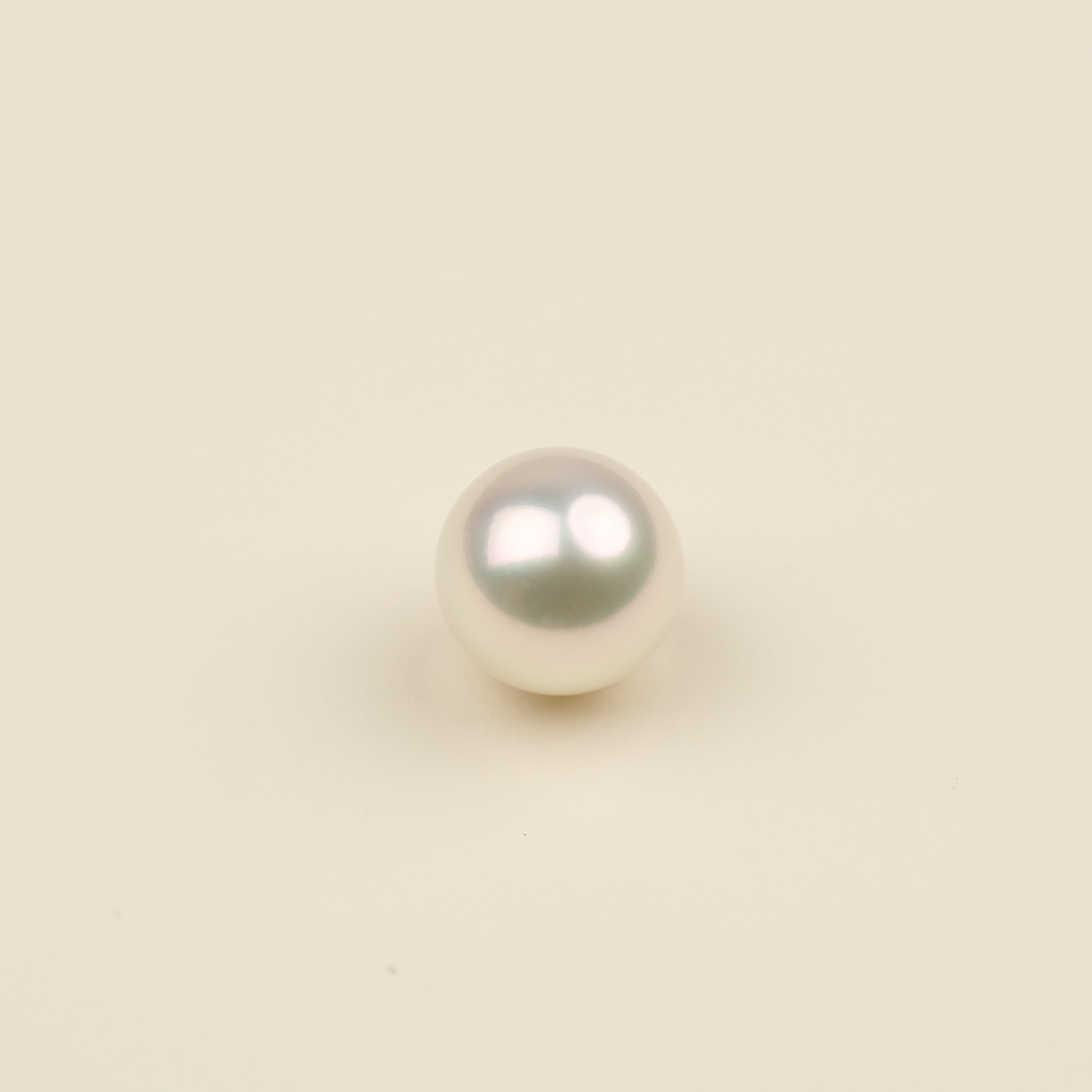 South Sea
 pearls are large white, silver and cream pearls grown across South-East Asia in the same oyster as Australian South Sea pearls.
Size
Size of the pearl as measured by a calliper. The typical sizes of the pearl depend on its type. Individual pearls may exceed these ranges depending on their growth conditions.
| Type | Approx. size range (diameter) |
|---|---|
| Akoya | 2mm – 10mm |
| Freshwater | 2mm – 12mm |
| Tahitian | 8mm – 16mm |
| Australian South Sea | 9mm – 20mm |
| Golden South Sea | 9mm – 17mm |
| South Sea | 9mm – 16mm |
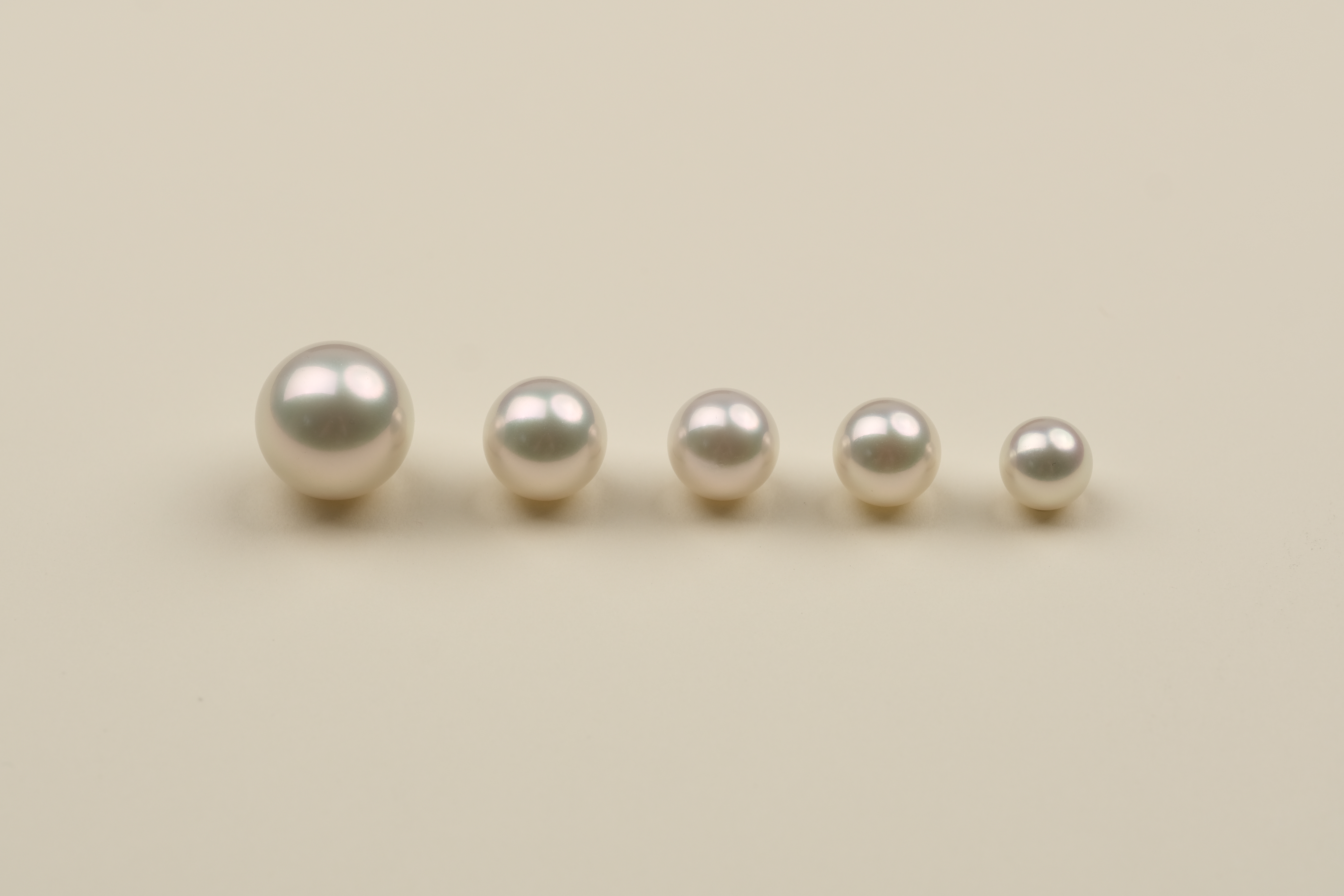
Shape
Shape is the geometric appearance of the pearl based on its overall symmetry, roundness and irregularities.
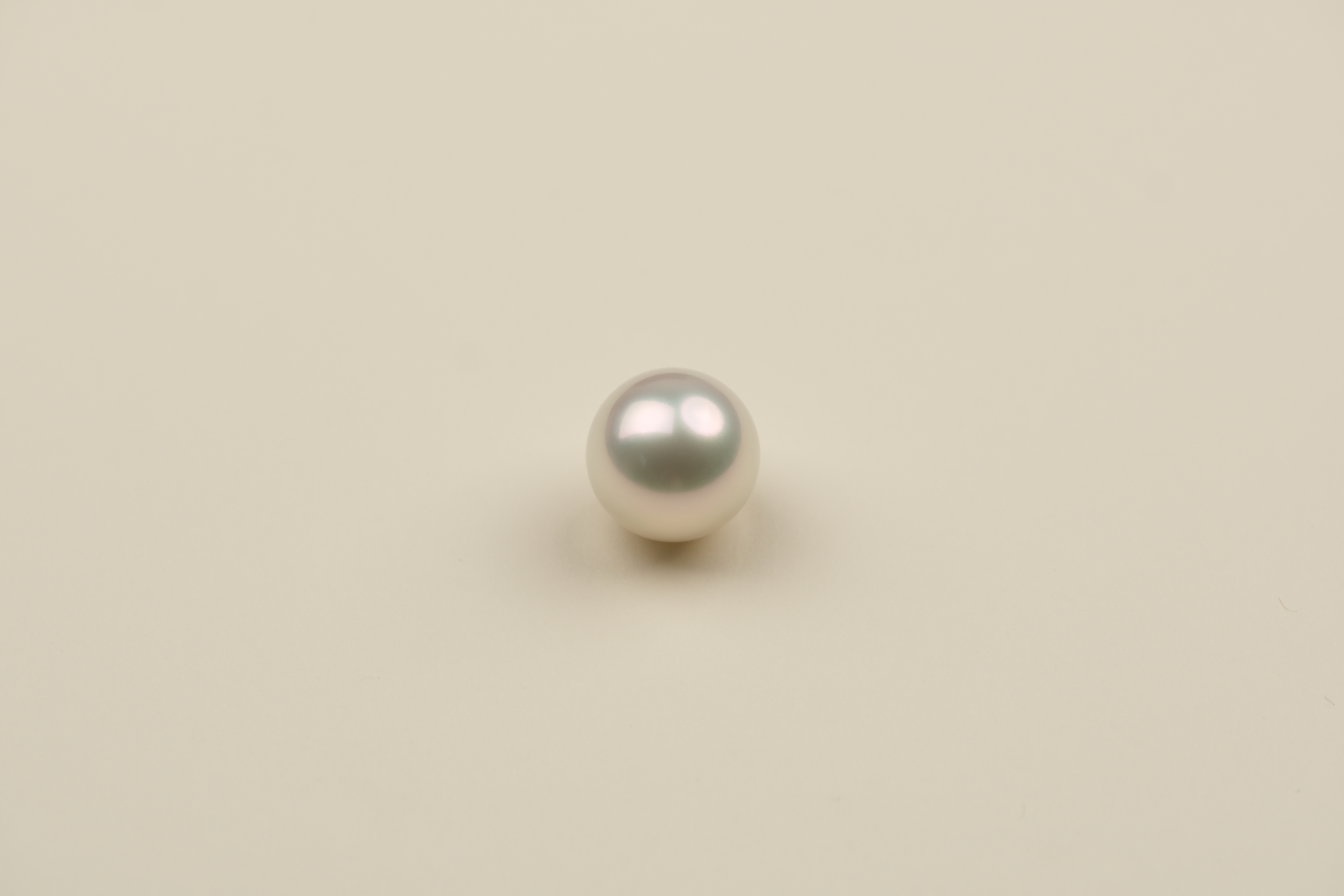 RoundR
Round, spherical appearance to the eye. Minimal or no variation in diameter and symmetry.
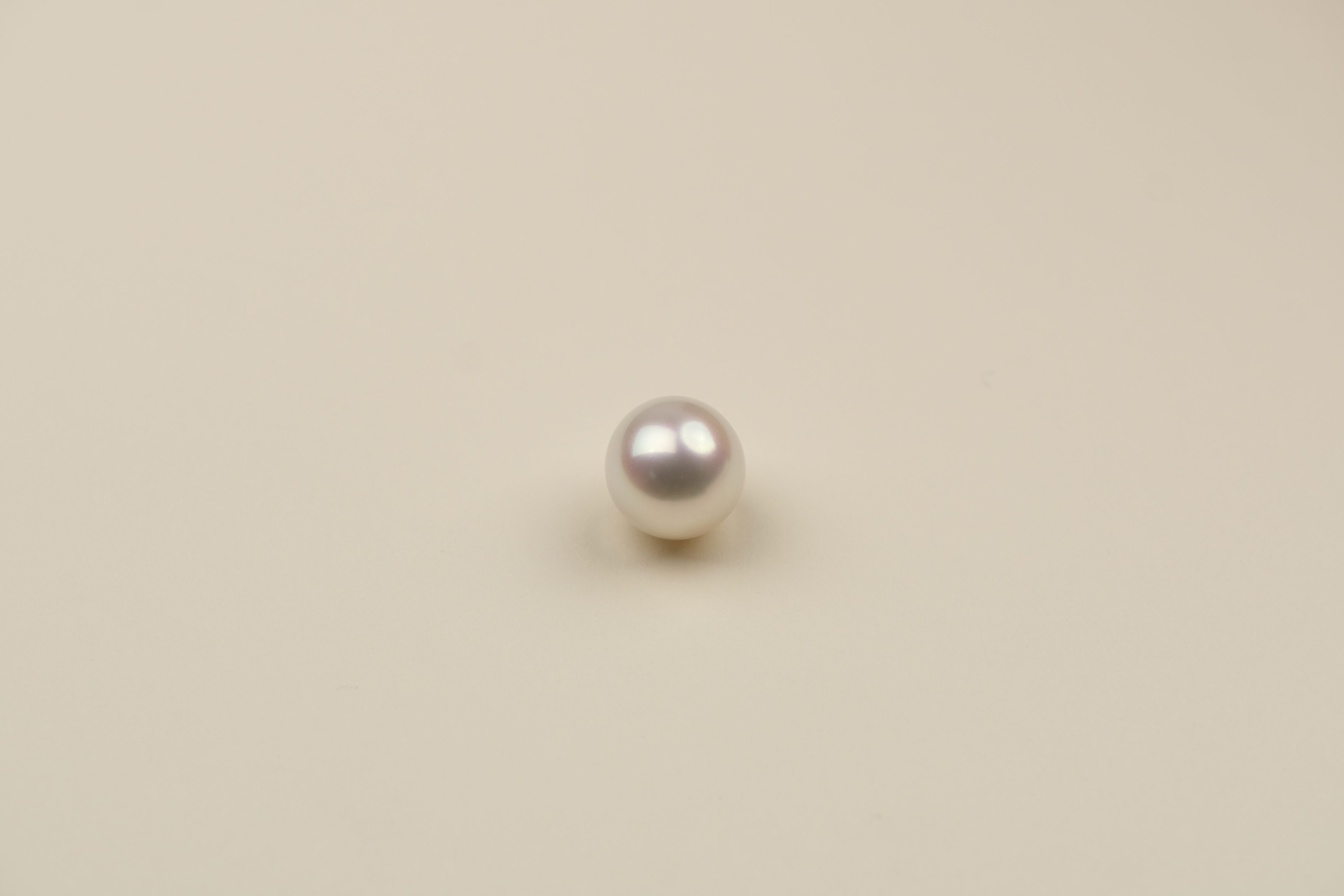 Near RoundNR
Appears nearly round to the eye. Difference in diameter is not easily noticeable.
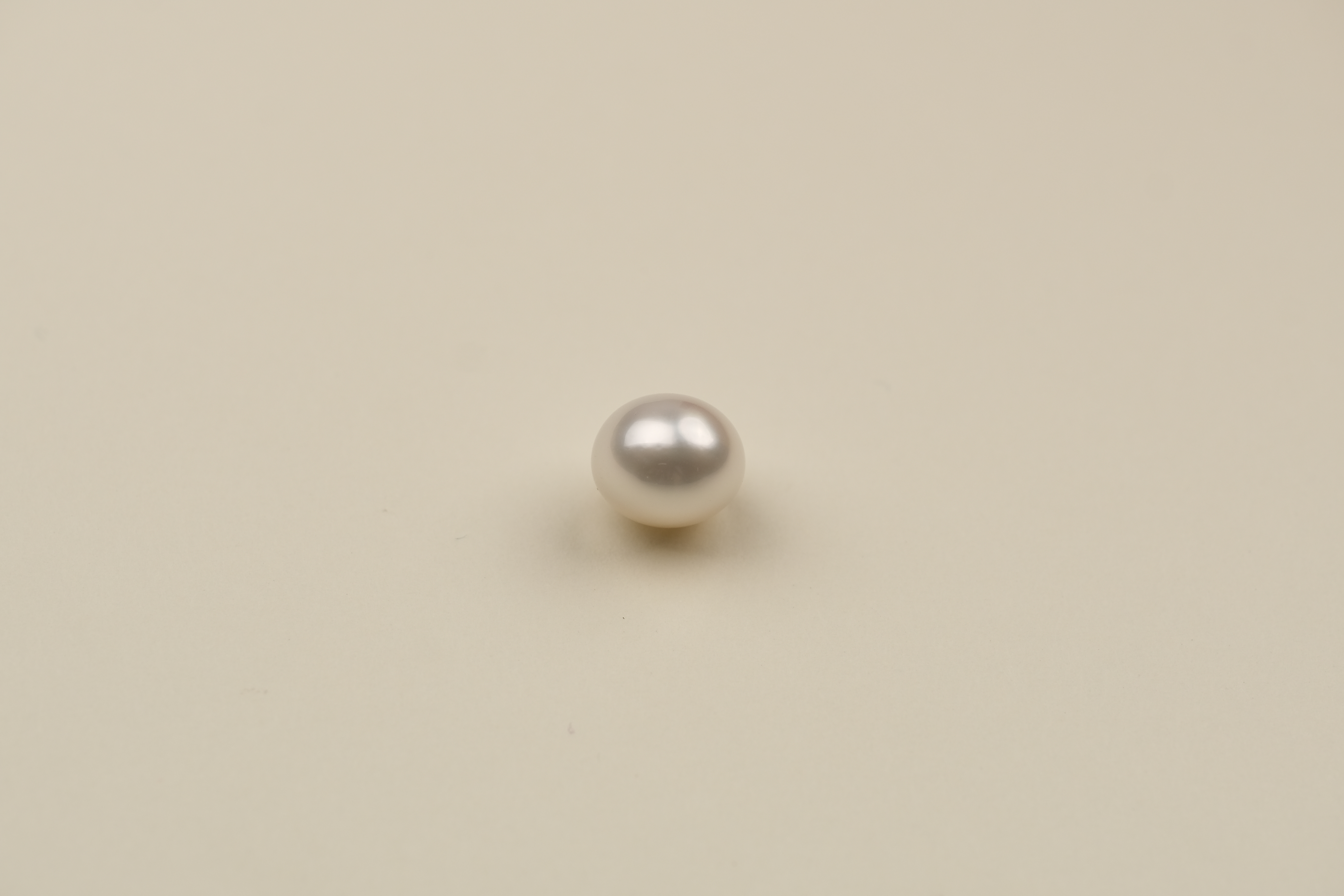 ButtonB
Squashed like a button or bun, shorter than it is wide. Exhibits an axis of symmetry down the middle.
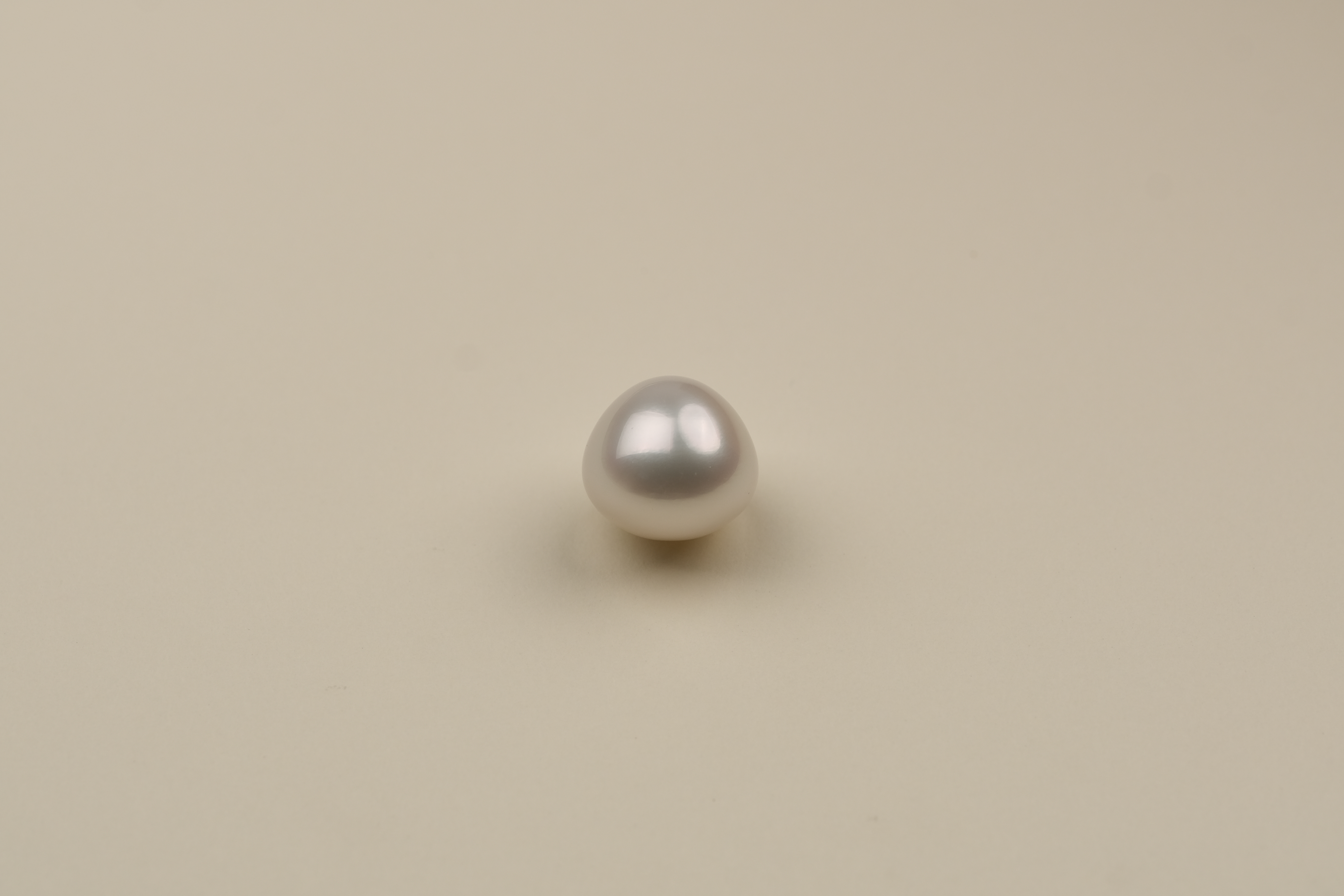 High ButtonHB
A taller button with a fuller dome, close to round when seen from the front.
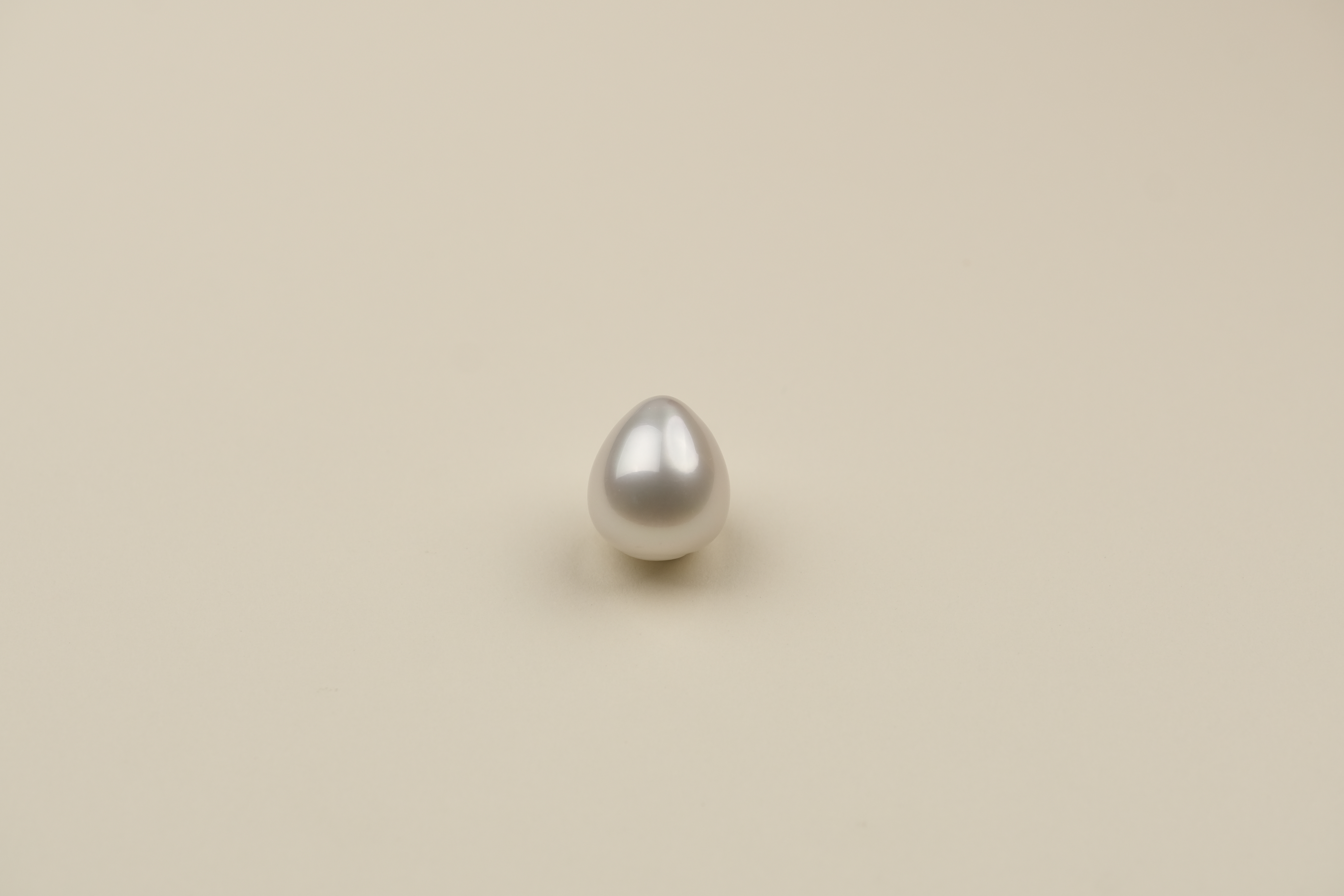 DropD
Shaped like a water drop, narrower at one end than the other. Exhibits an axis of symmetry down the middle.
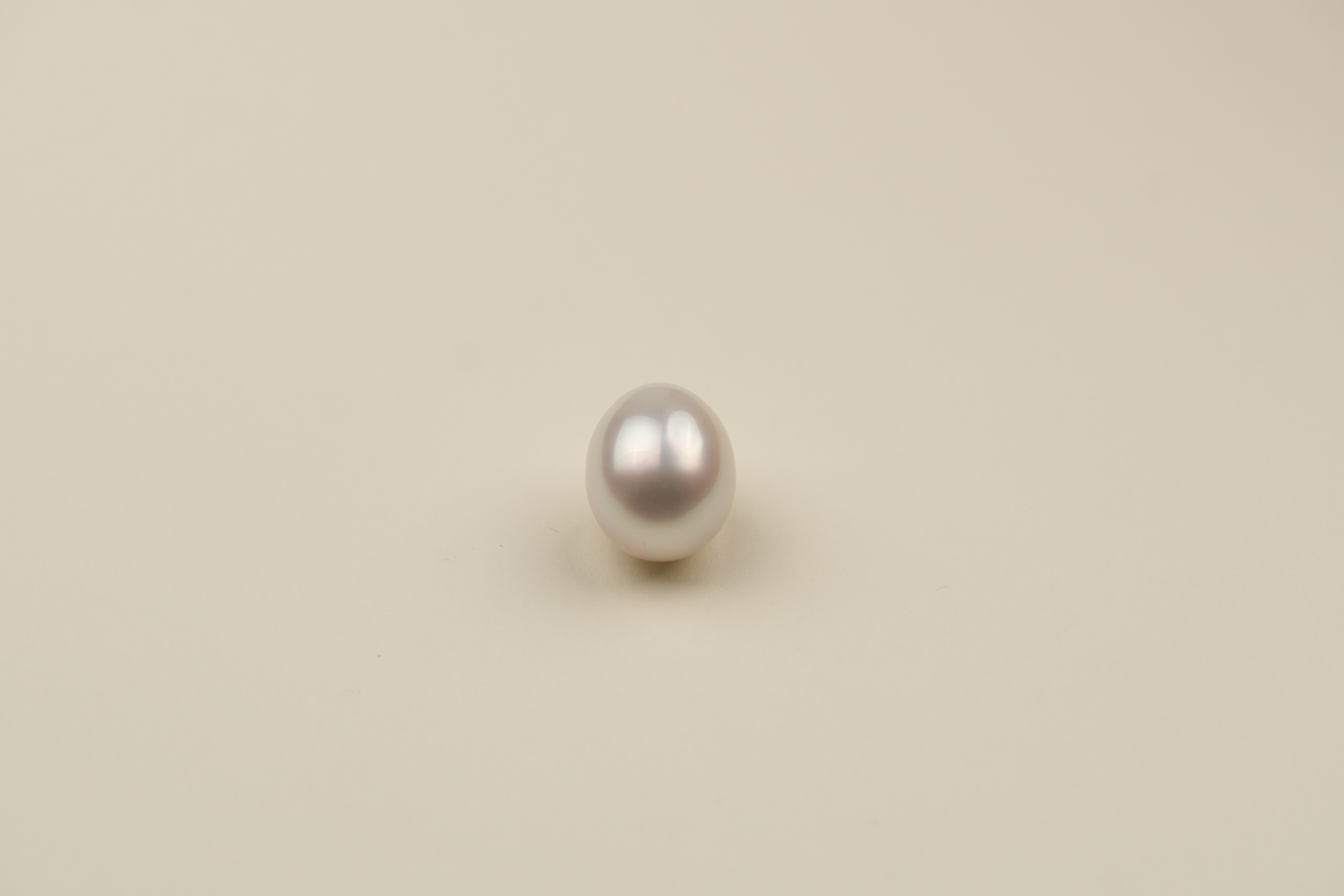 OvalO
Longer than it is wide, with a symmetrical outline like an egg.
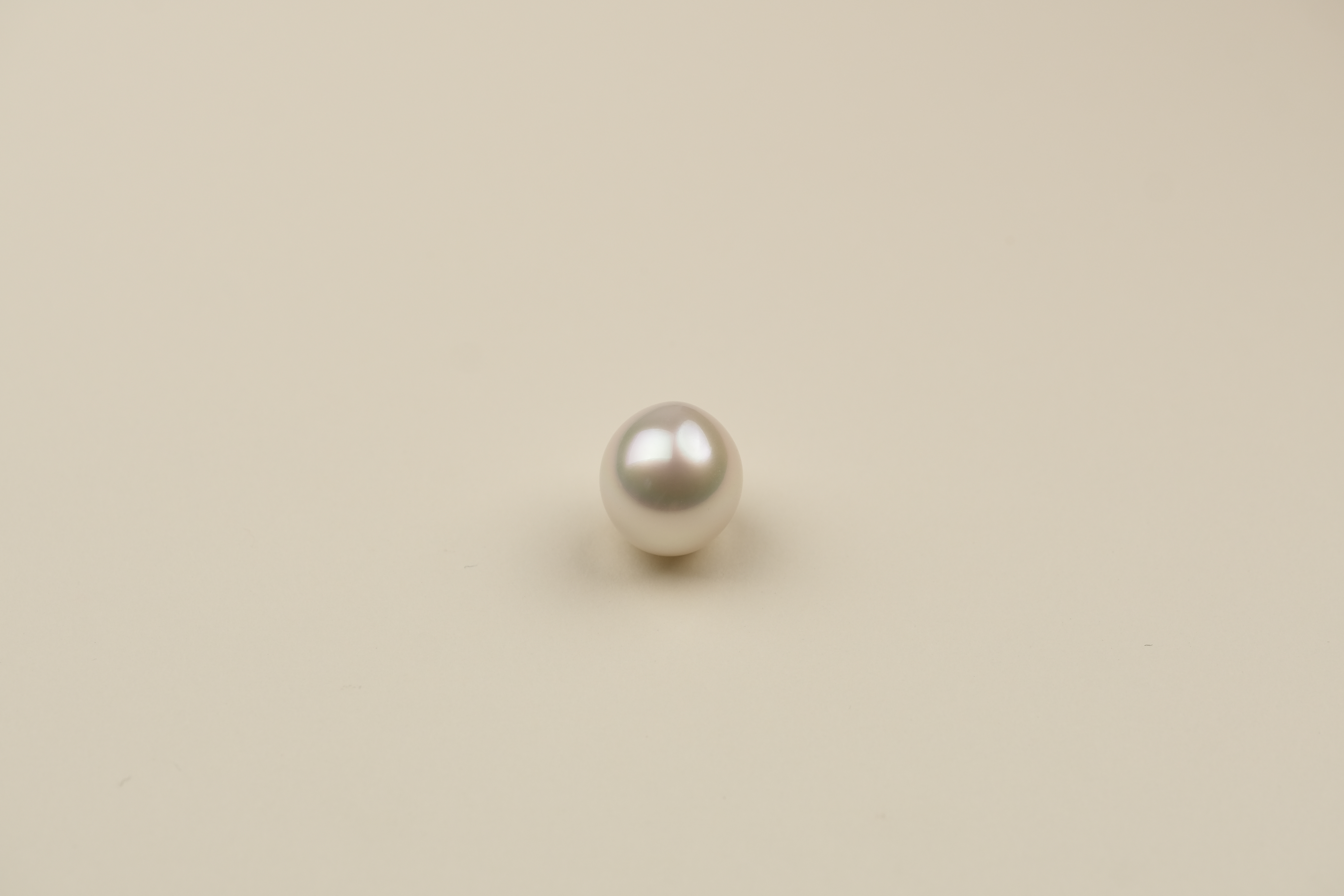
- Topped OvalTO
Looks like a snowman with a knob on top.
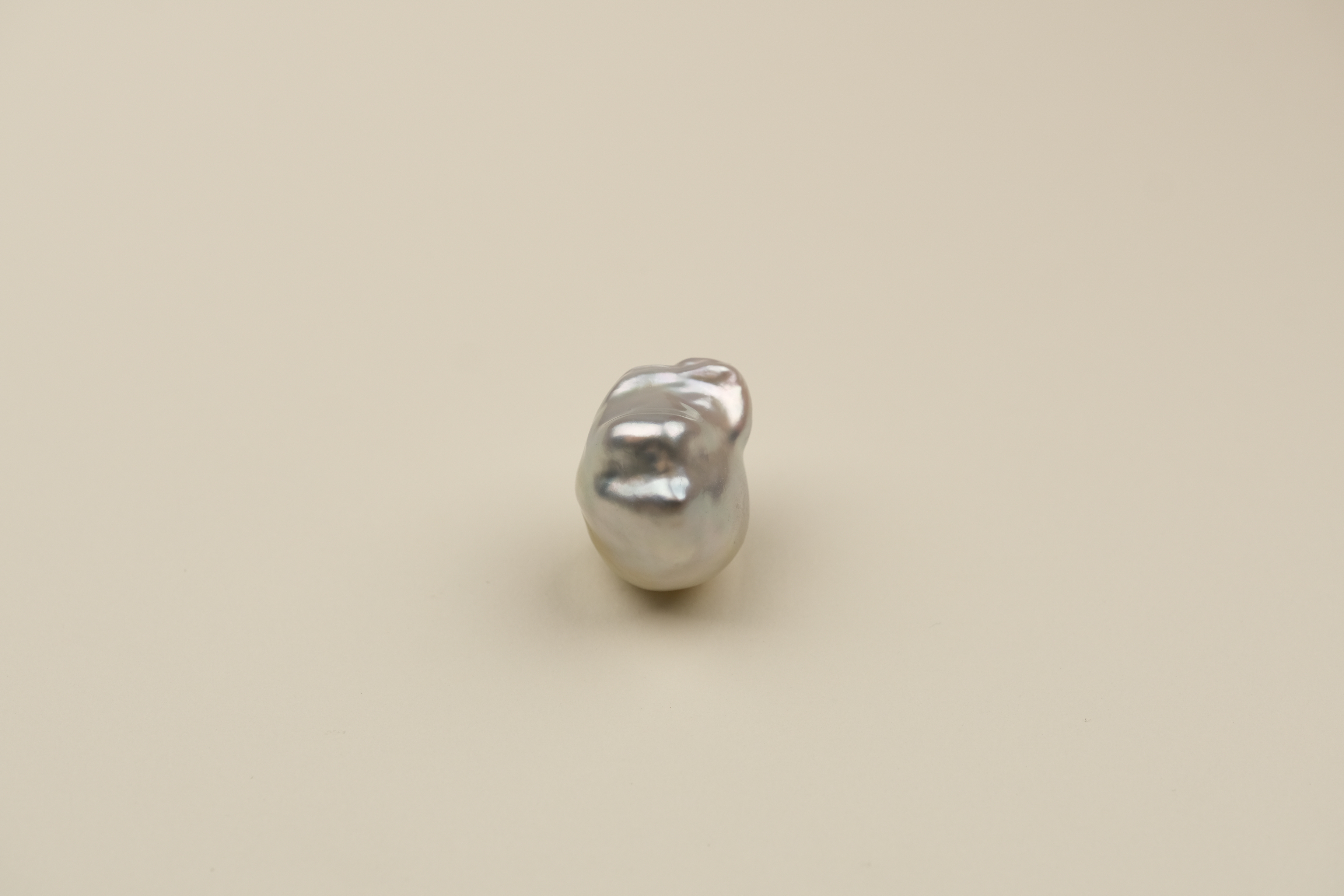
 Short OvalSO
Only a little longer than it is wide, between Near Round and Oval.
 BaroqueQ
Irregular and non-symmetrical. Can include various abstract and unique forms with twists, ovals or undulations.
- Smooth BaroqueSQ
Irregular outline with gentle, flowing contours rather than sharp lumps.
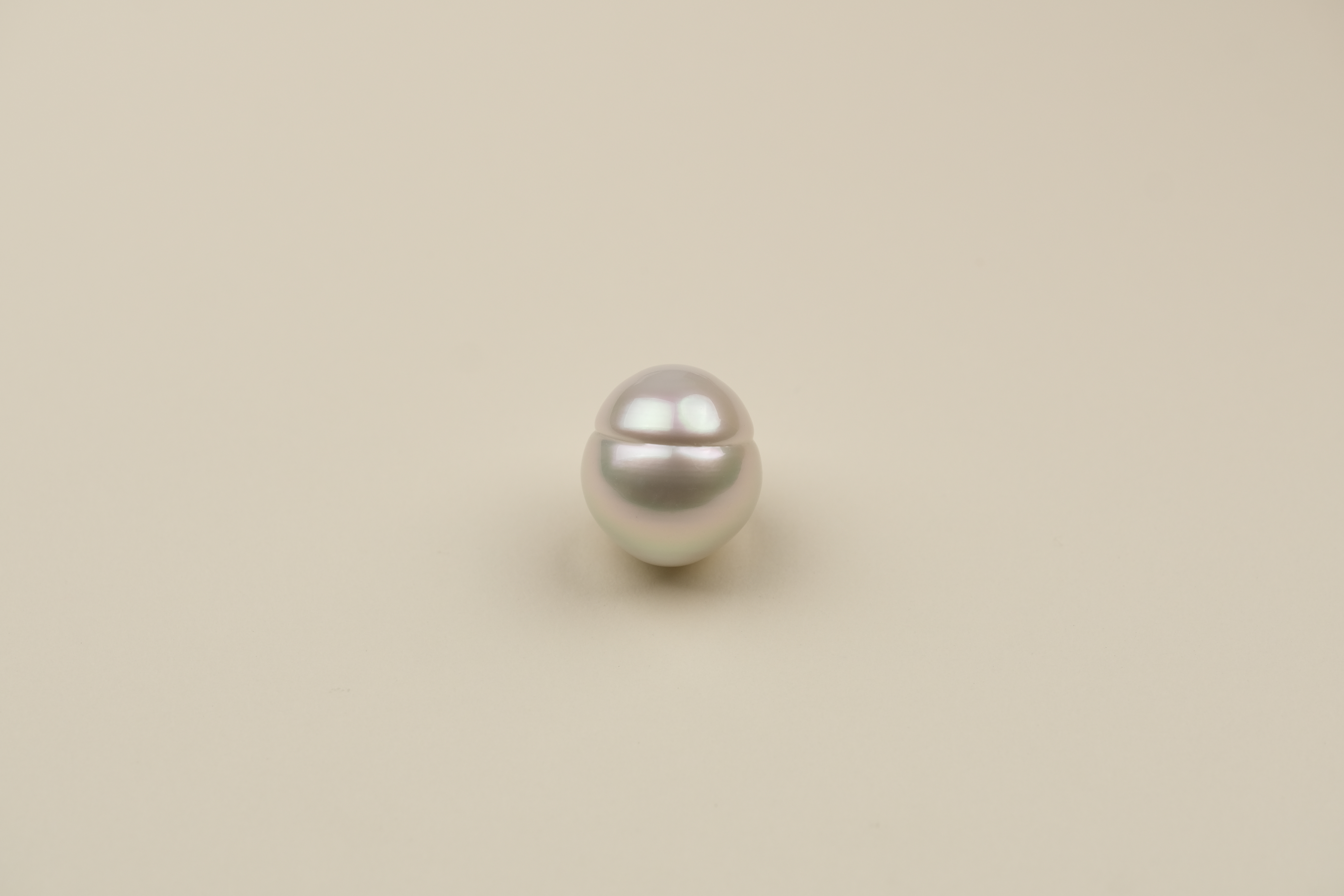 CircleC
One or more rings or grooves running around the pearl.
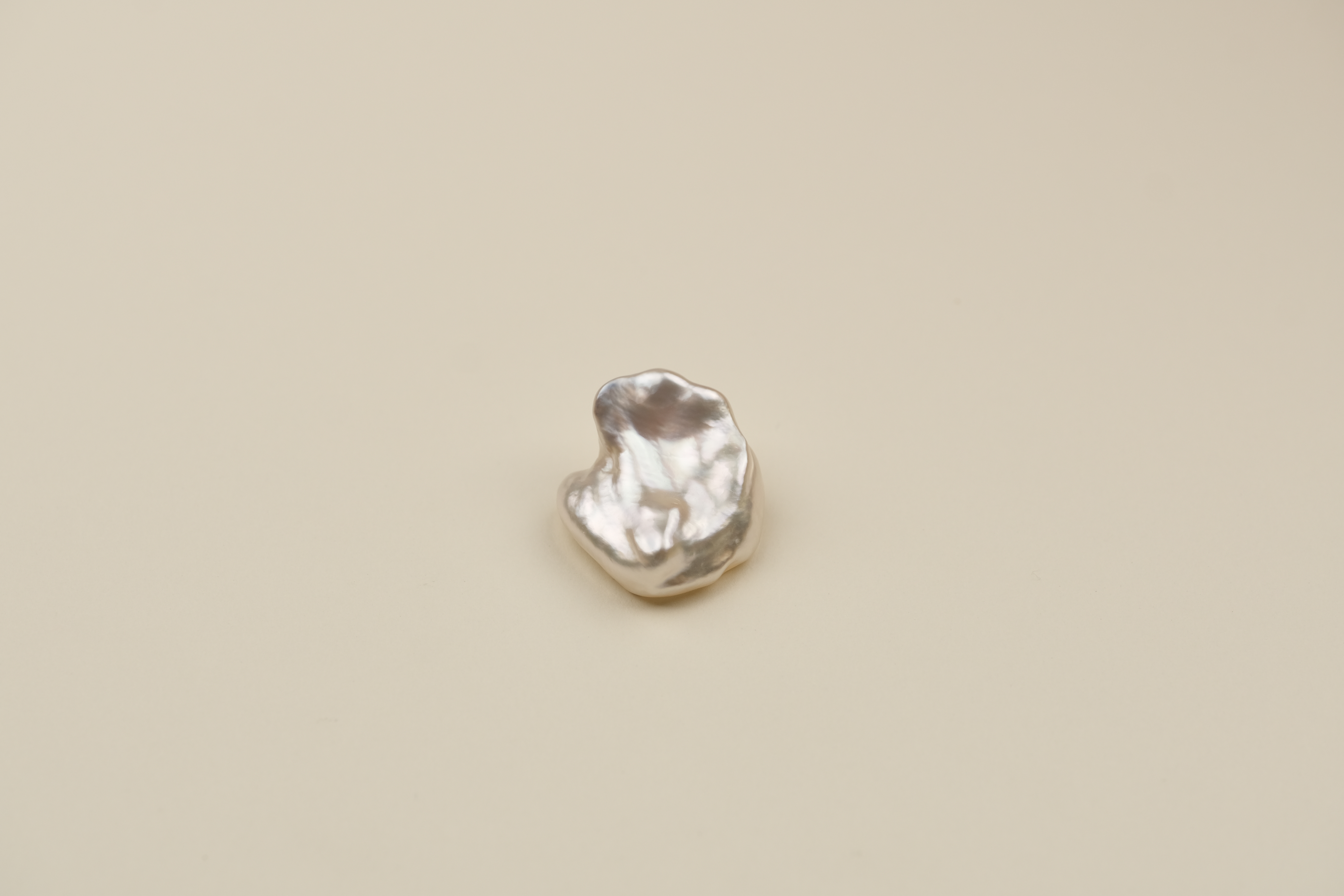 KeshiK
Formed without a bead, solid nacre, small and irregular.
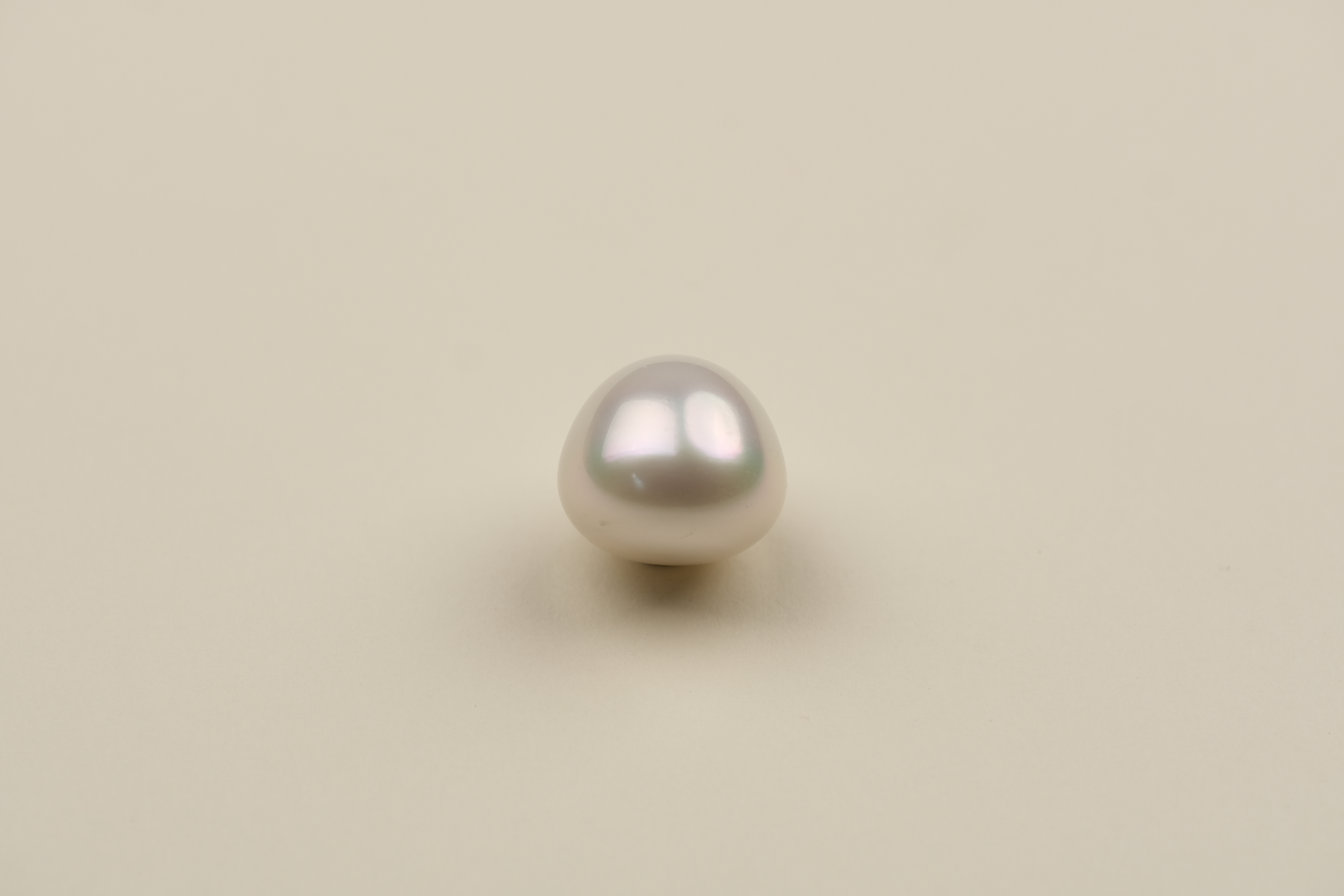 TriangleT
Three rounded sides.
- FacedF
One side of the pearl is cut.
Lustre
Lustre is the surface shine, brightness and reflective properties of a pearl. It comes from the quality of the pearl's nacre and how it was cultured and formed. We only use pearls we determine to be Gem to Near Brilliant in lustre in our products.
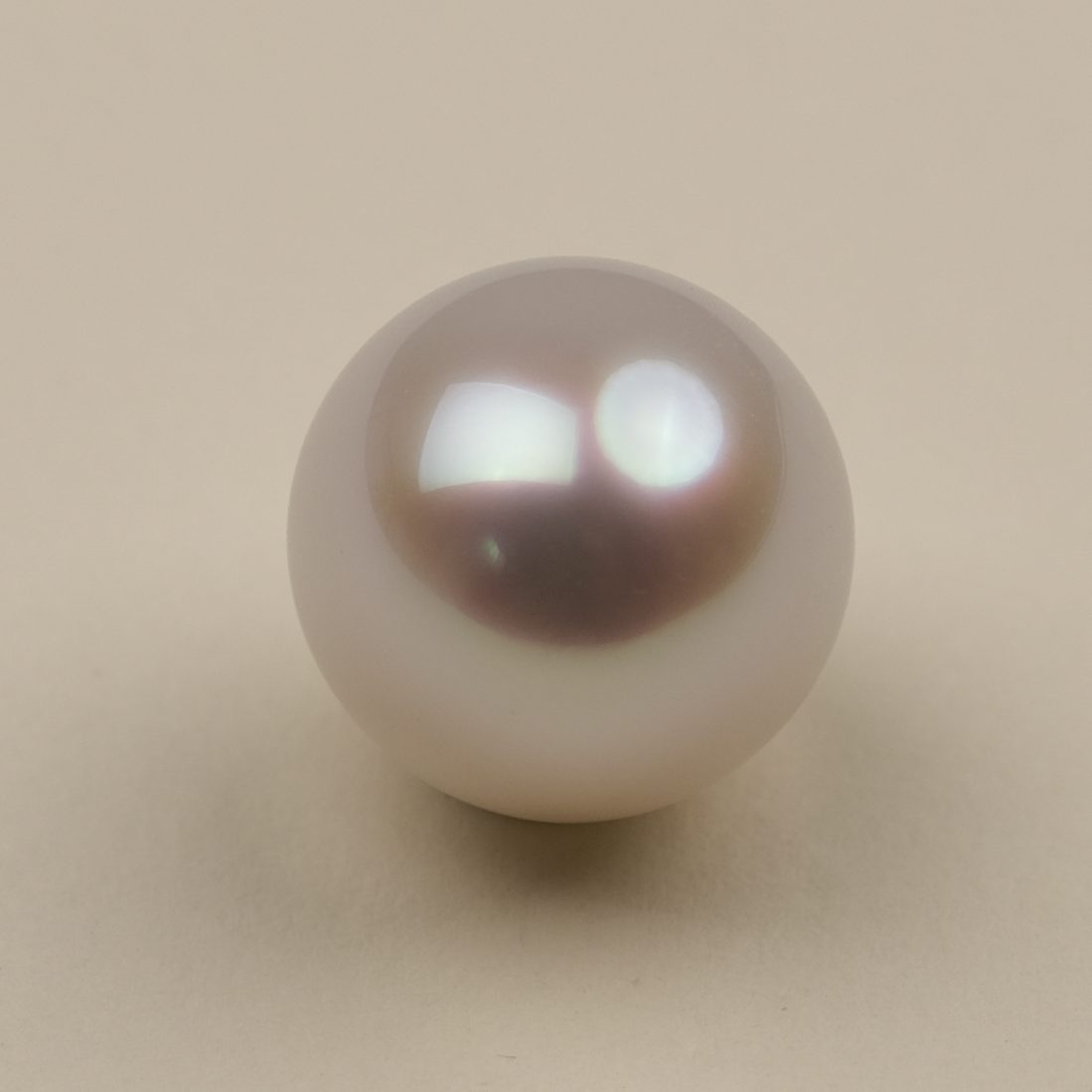 GemG
Bright, reflective surface with well defined and sharp reflections.
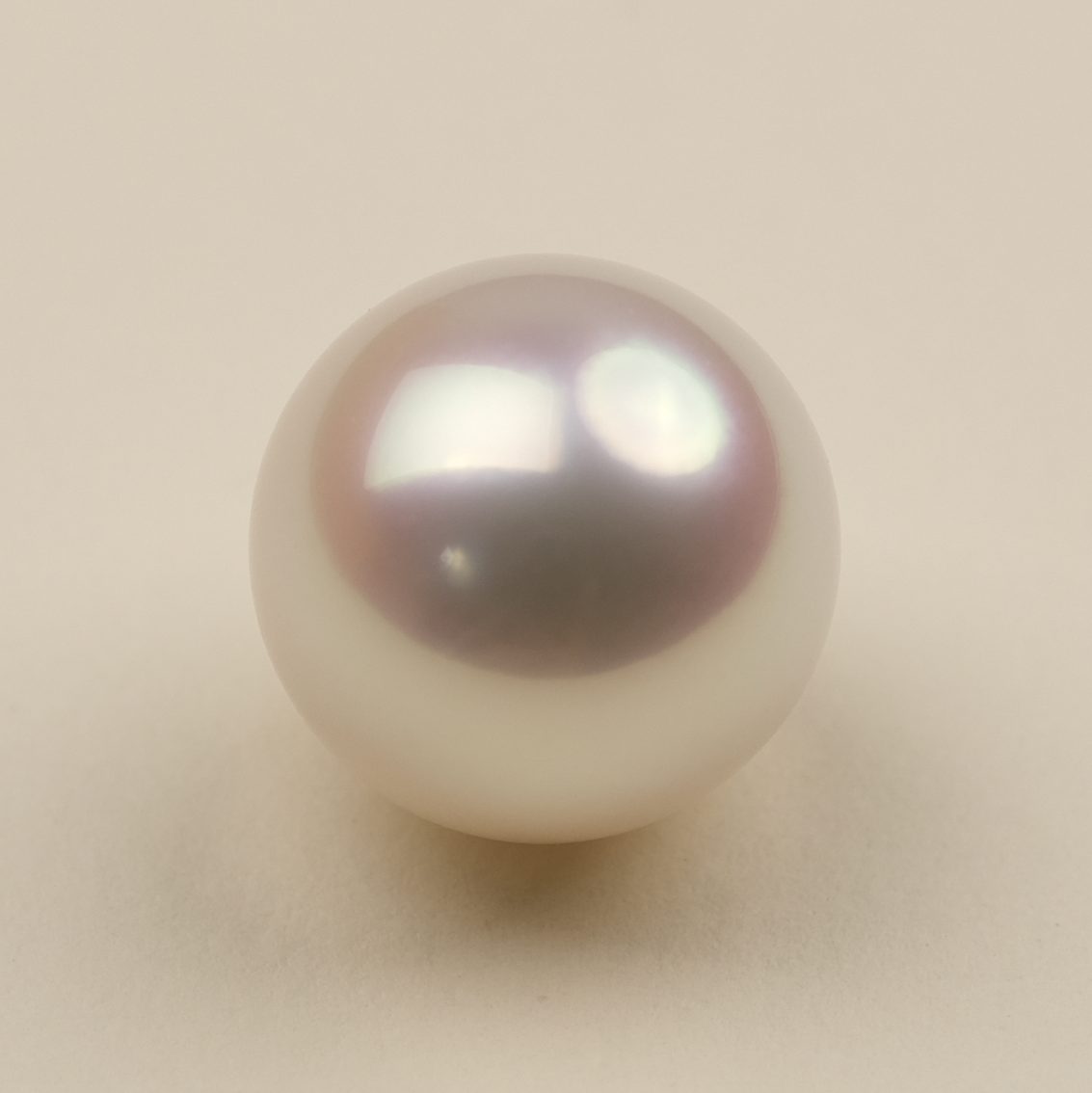 BrilliantB
Bright, reflective surface with well defined and near sharp reflections.
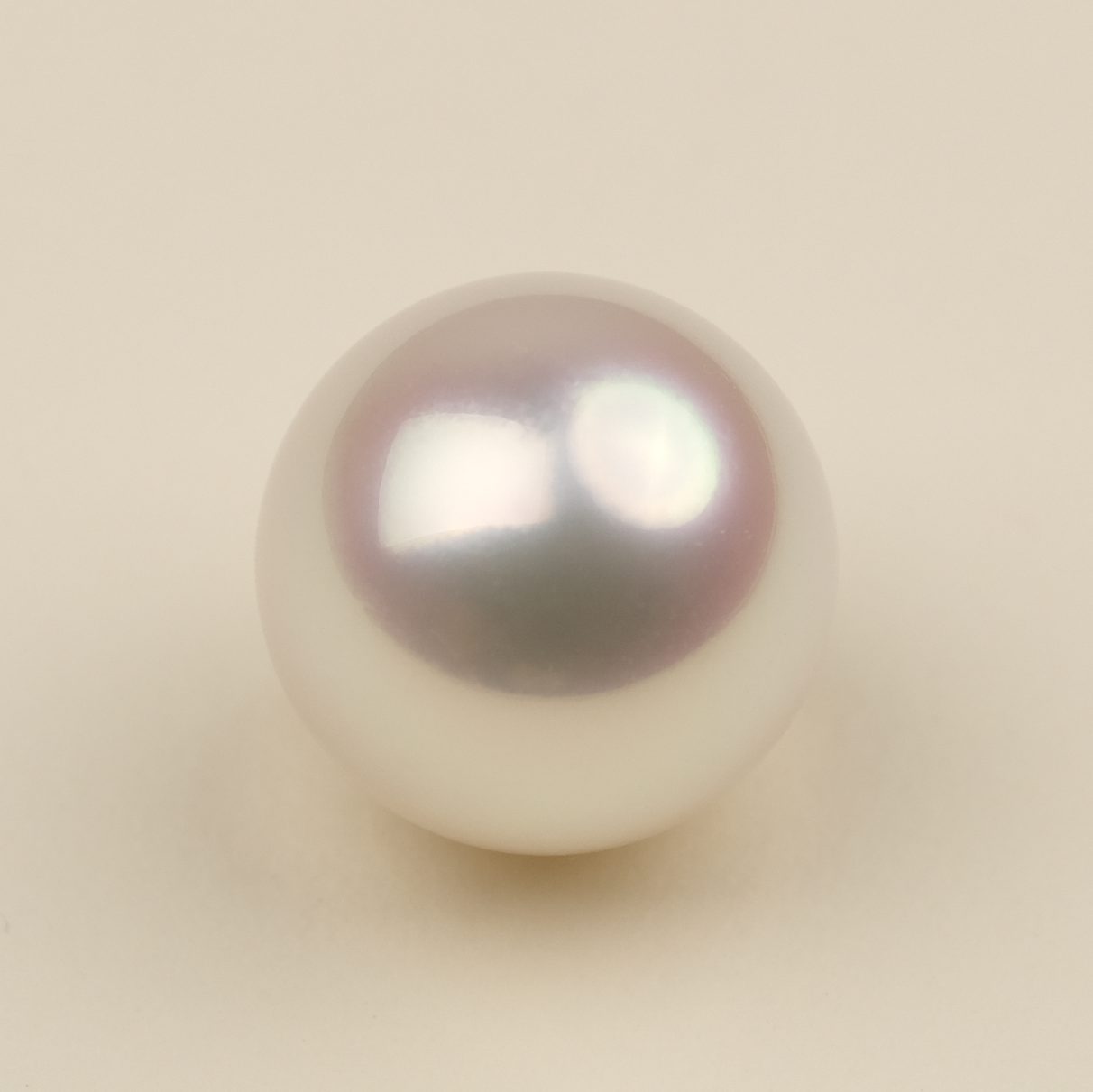 Near BrilliantNB
Bright, reflective surface with well defined but not as sharp reflections.
- BrightBR
Bright, reflective surface with good reflections. Not used by us.
- ReflectiveR
Reflective surface with average reflections. Not used by us.
- Limited ReflectionLR
Limited reflection visible. Not used by us.
Nacre
Nacre quality is the quality of the nacre deposited onto the surface of the pearl. A pearl with high quality nacre will not exhibit any rippling effects on its surface when it's rolled. Look carefully at the reflection of a light in the pearl: the smoother the nacre, the sharper the outline of that reflection. We only use pearls from the Smooth to Near Smooth range.
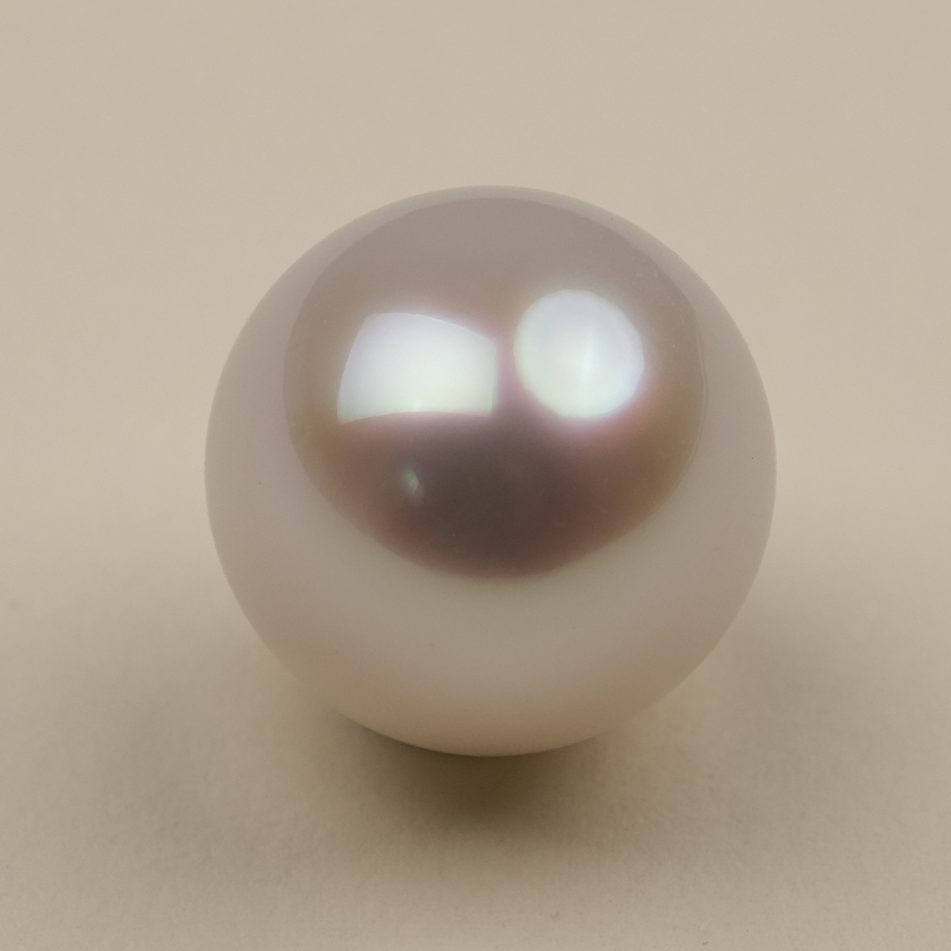 SmoothS
Smooth and silky surface finish with no rippling effects.
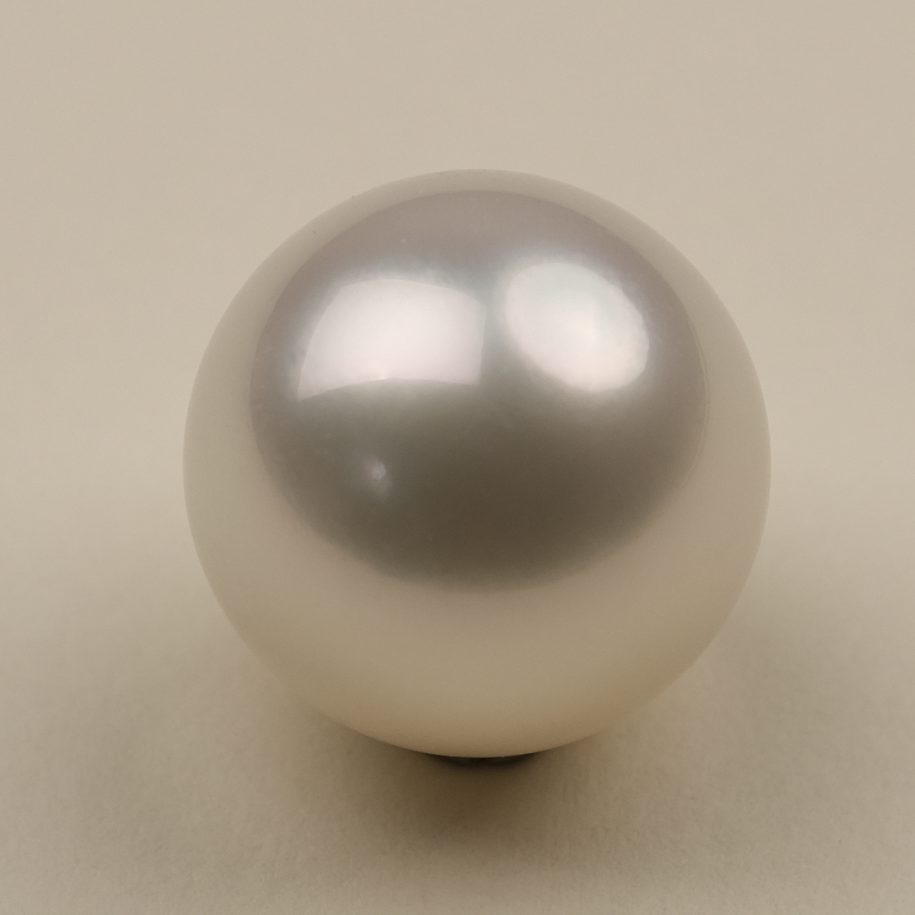 Near SmoothNS
Near smooth surface finish with minor rippling effects.
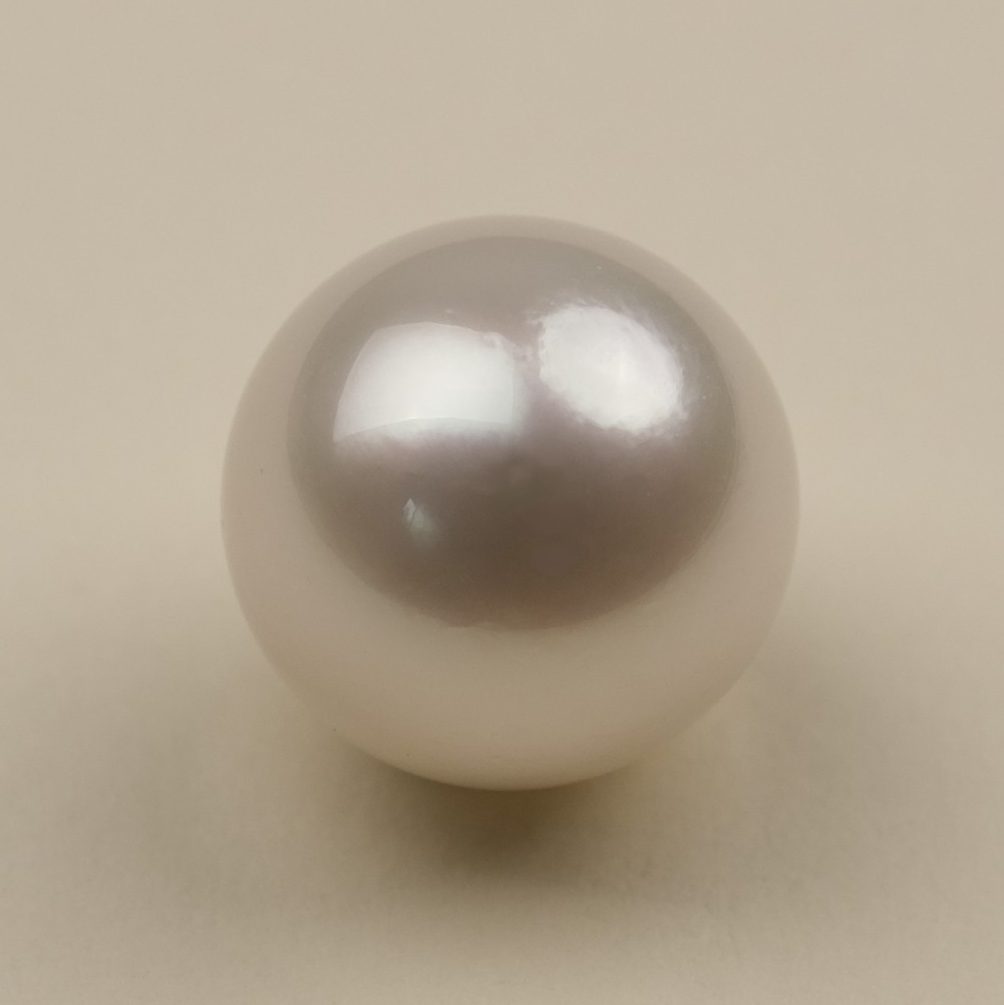 RipplingR
Surface finish with visible rippling effects. Not used by us.
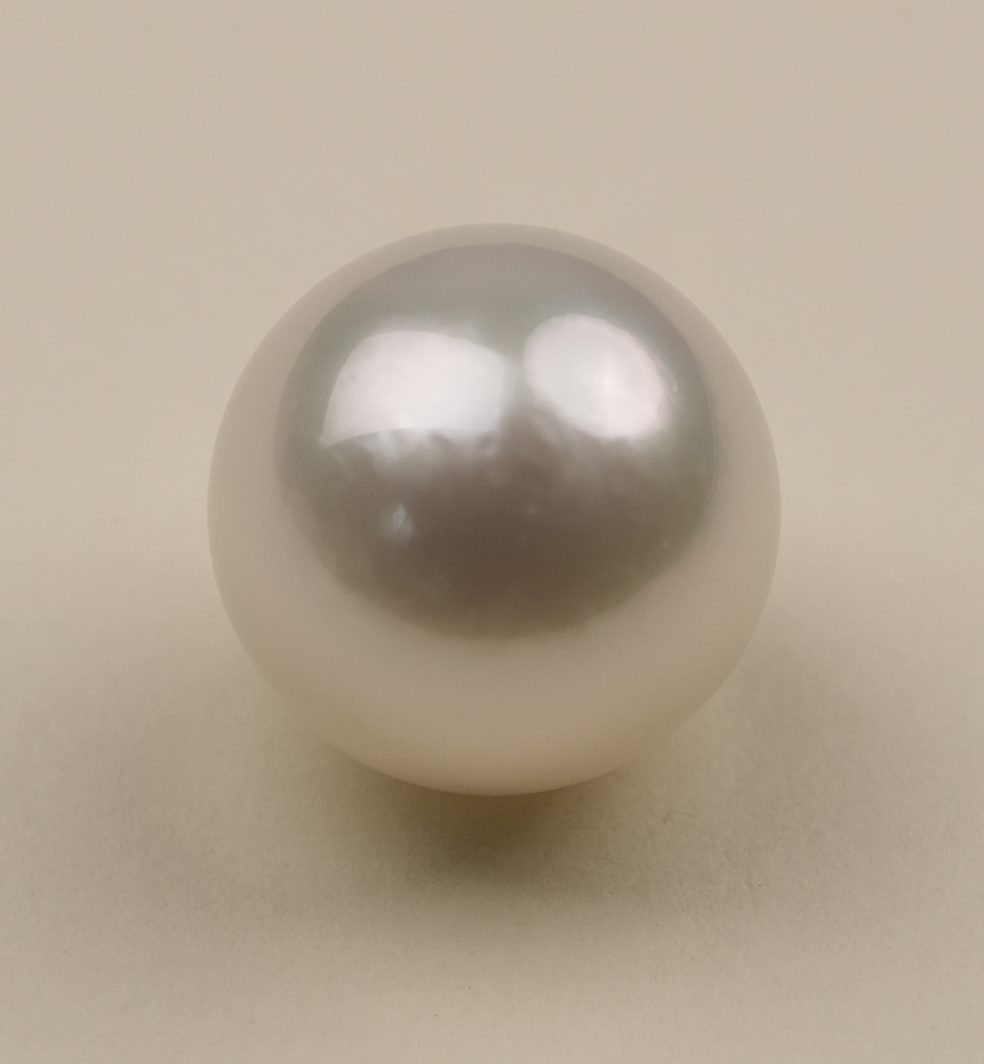 Heavy RipplingHR
Surface finish with major rippling effects. Not used by us.
Surface
Blemishes are surface imperfections that impact the presentation of the pearl. These include pitting, bumps, spots, marks, or other flaws on the pearl surface. The vast majority of pearls we use are Flawless or Near Flawless.
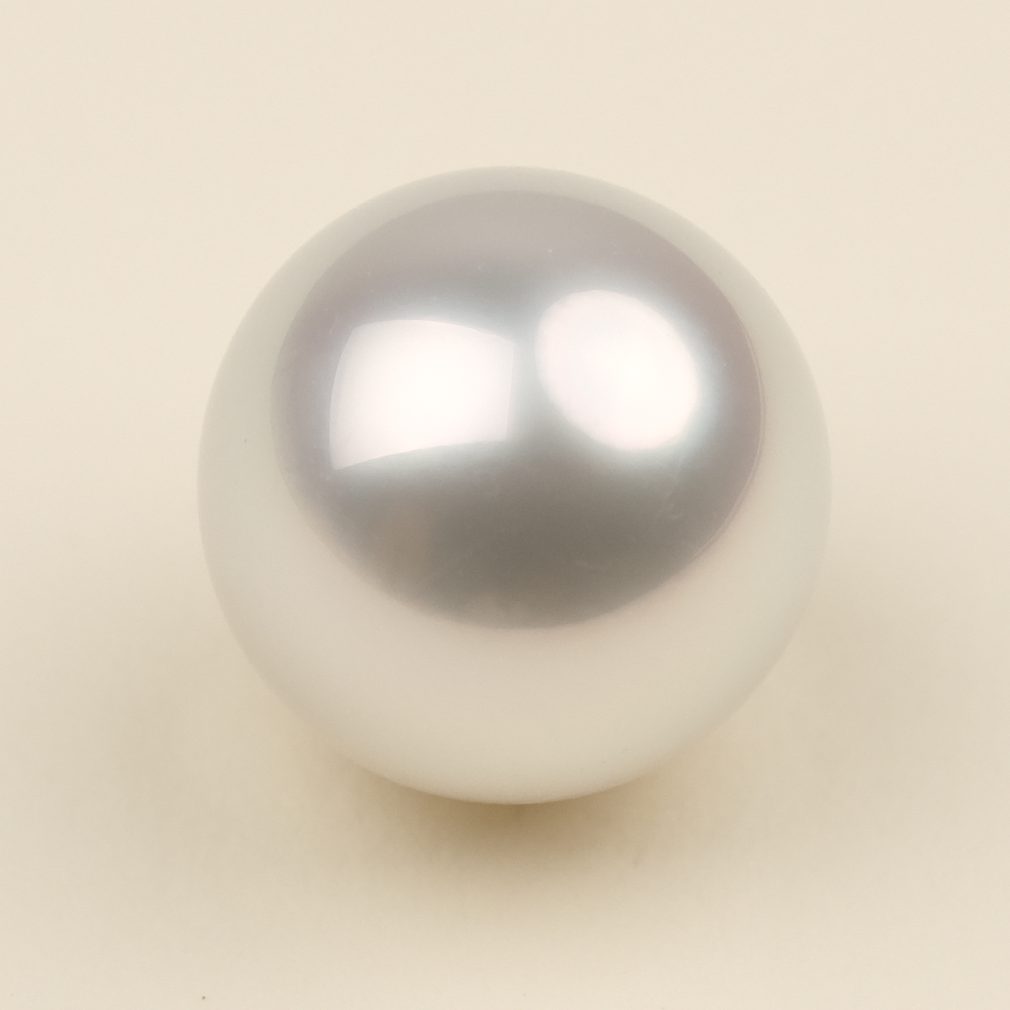 FlawlessF
Clean surface free of blemishes, or with near invisible blemishes that are difficult to see without close examination.
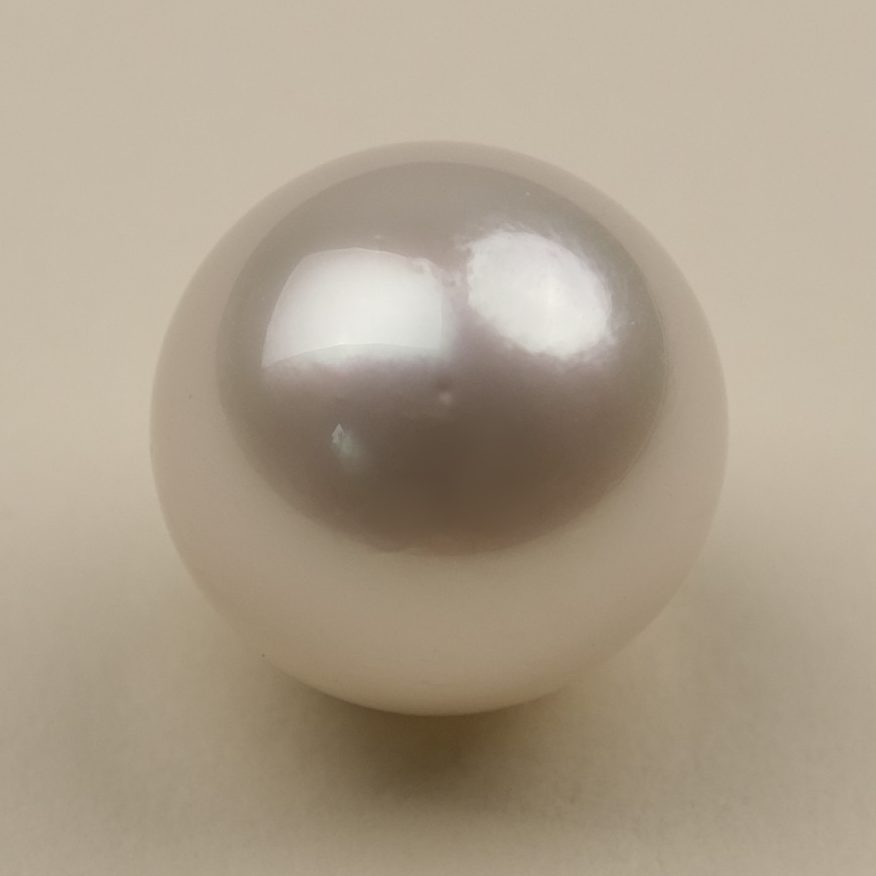 Near FlawlessNF
Near flawless surface with one minor blemish.
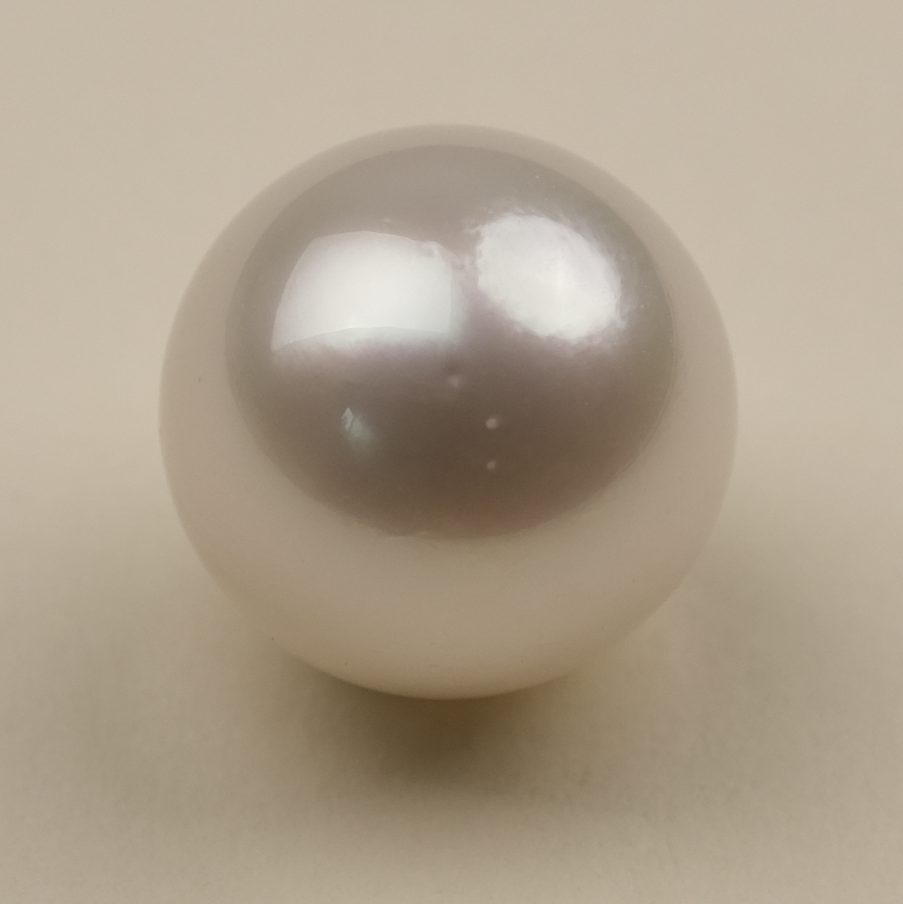 Slightly FlawedSF
Minor blemishes visible in multiple areas.
- BlemishedB
Flaws cover the majority of the pearl's surface. Not used by us.
- Heavily BlemishedHB
Flaws cover the entire pearl surface. Not used by us.
Colour
We record the pearl's body colour as one of the nine below, and note a clear overtone where there is one.
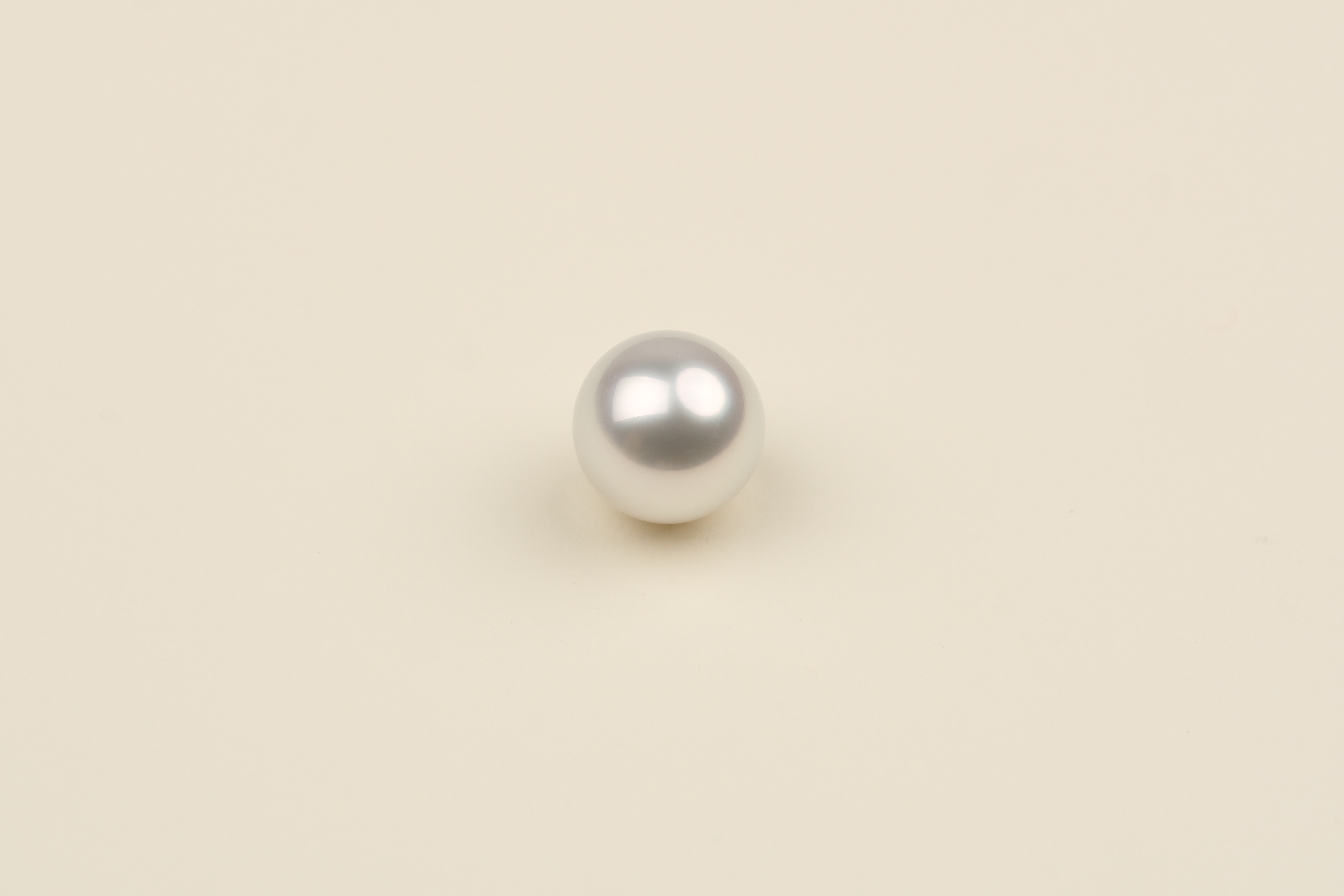 White
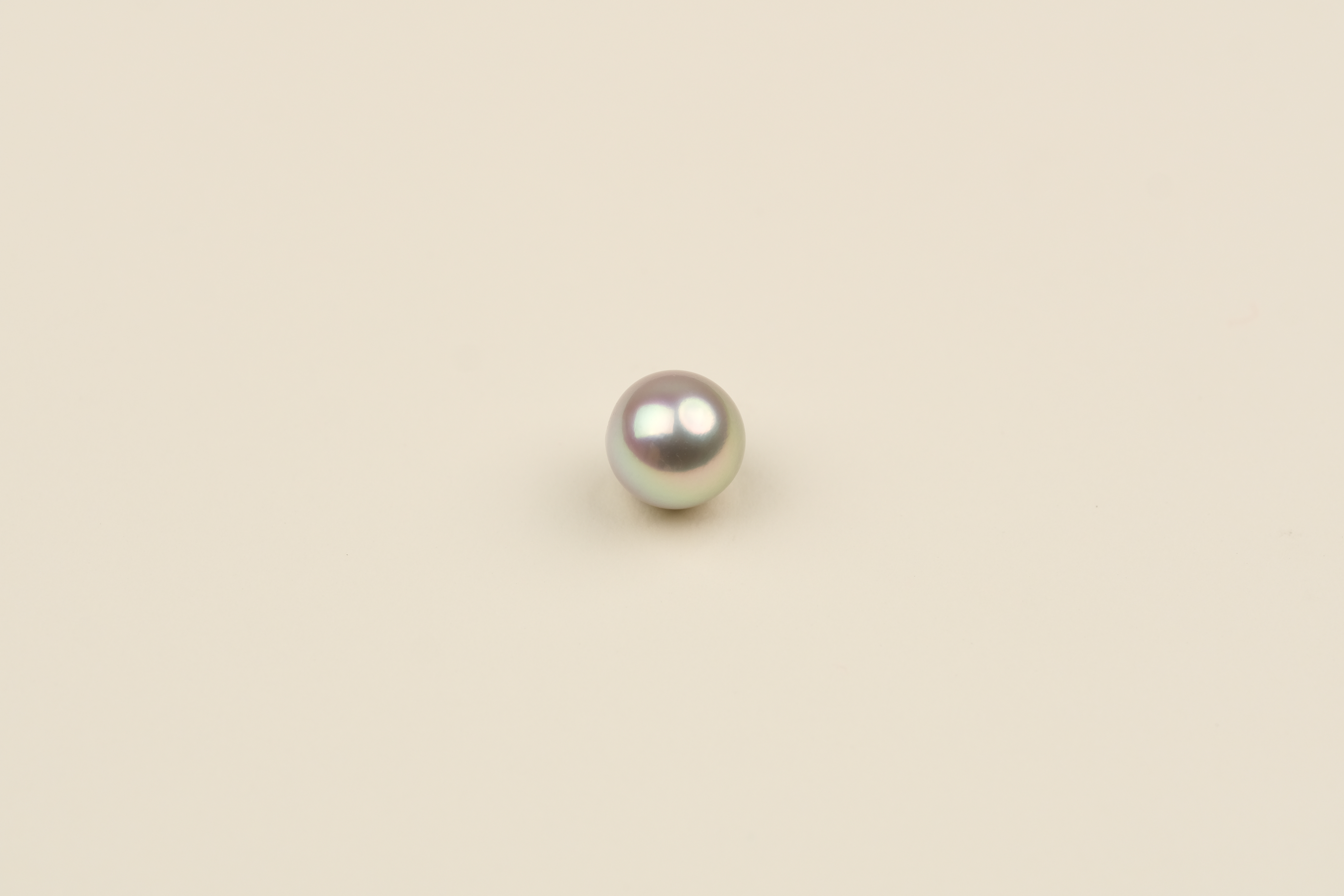 Silver
- Gold
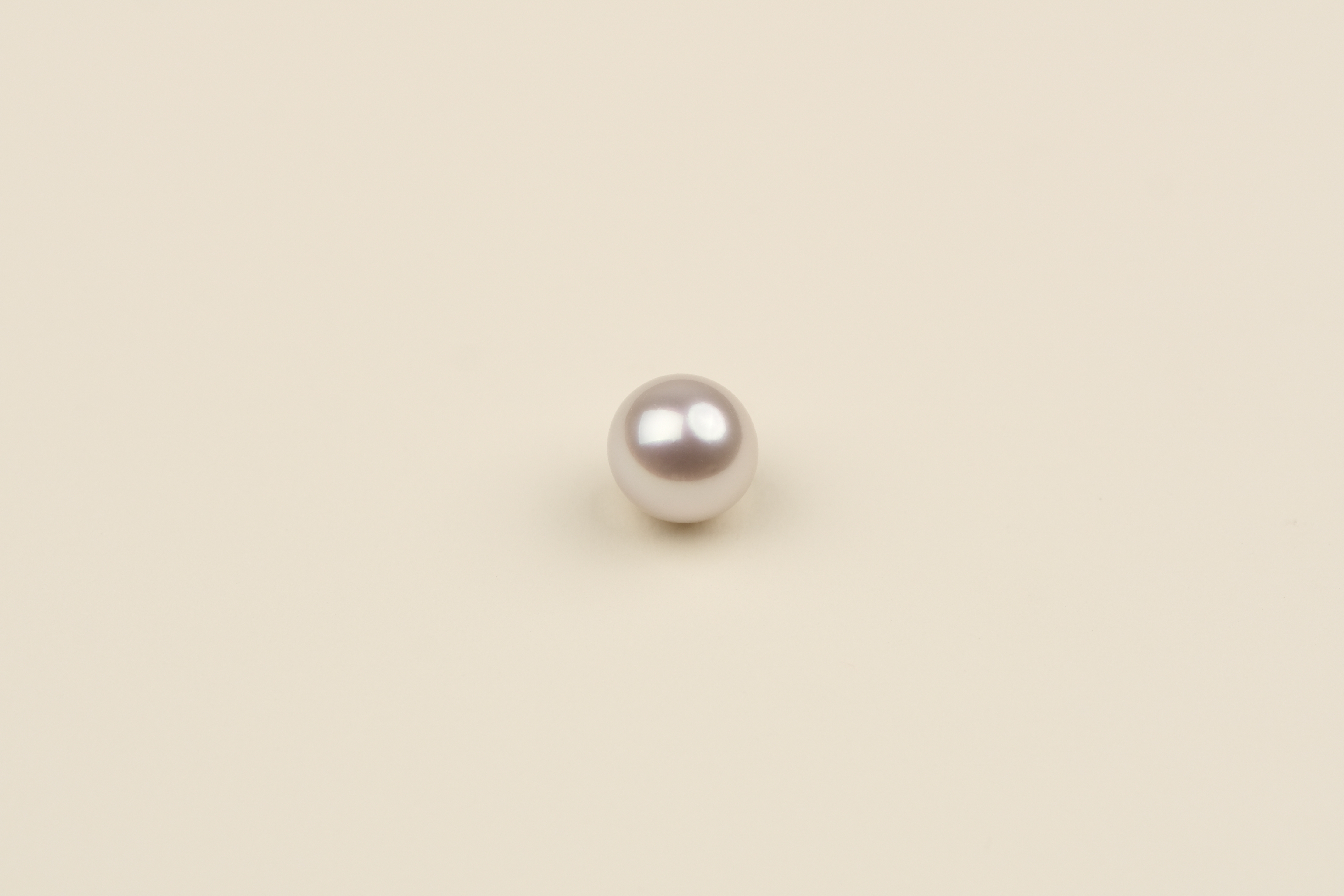 Pink
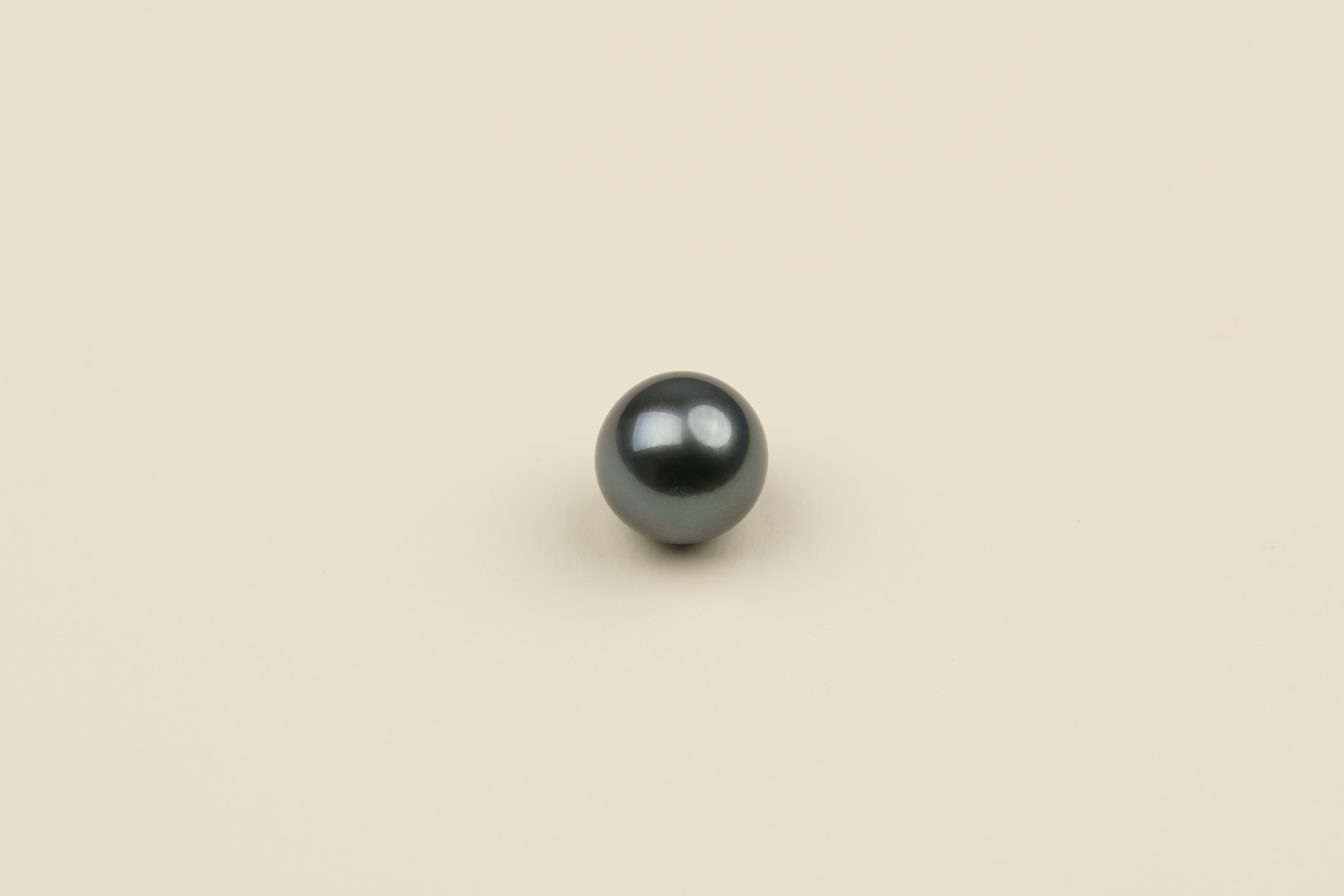 Black
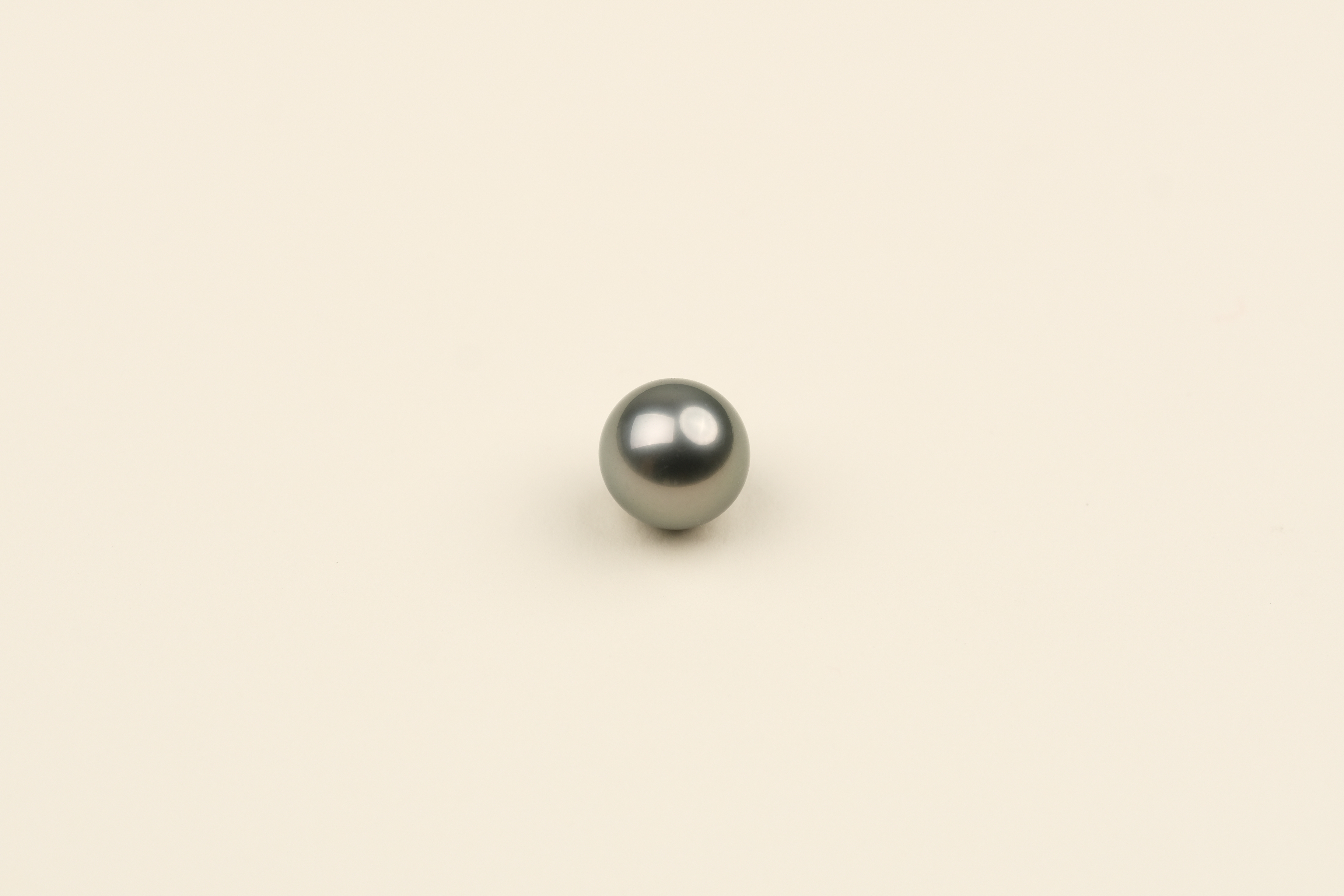 Grey
- Green
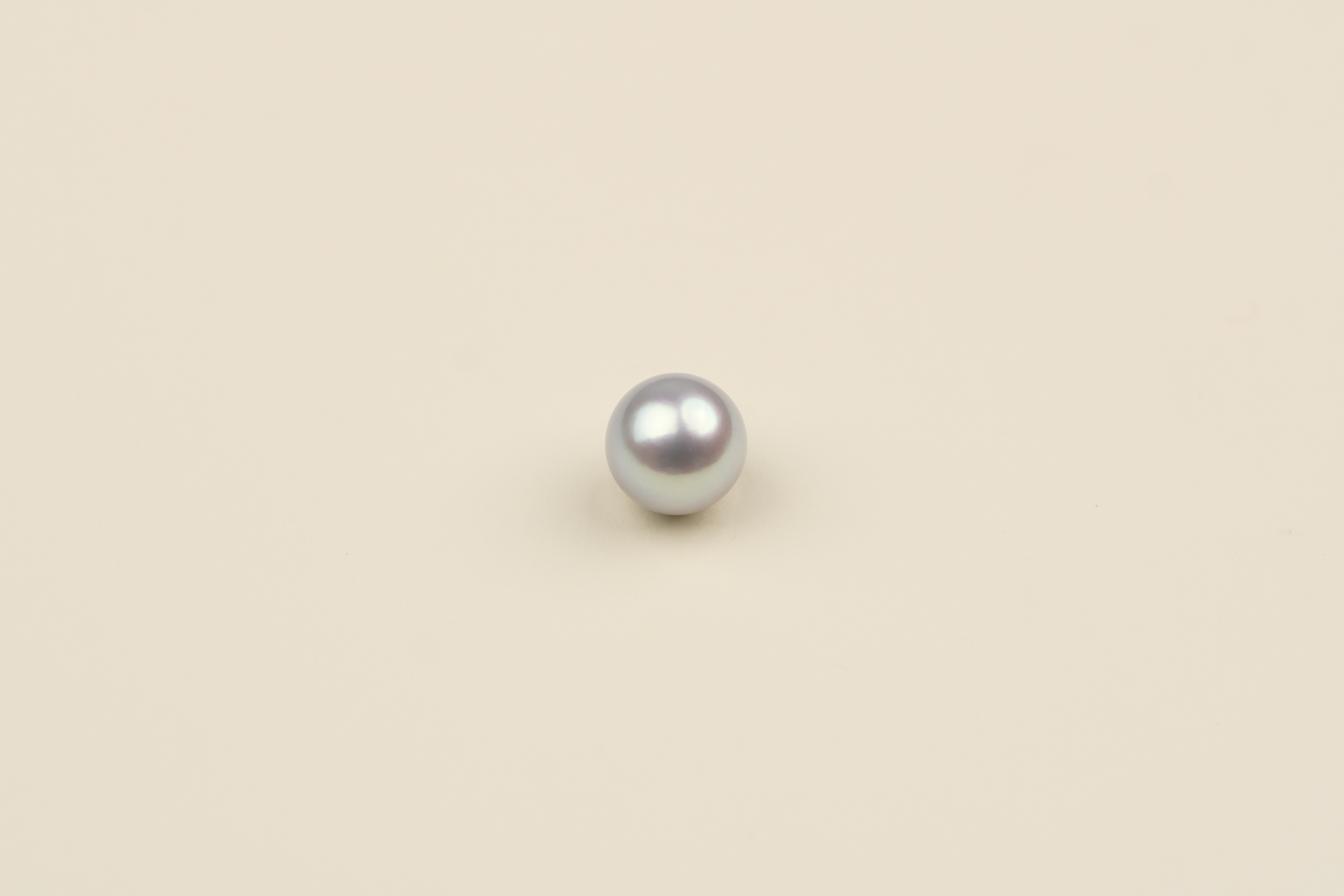 Blue
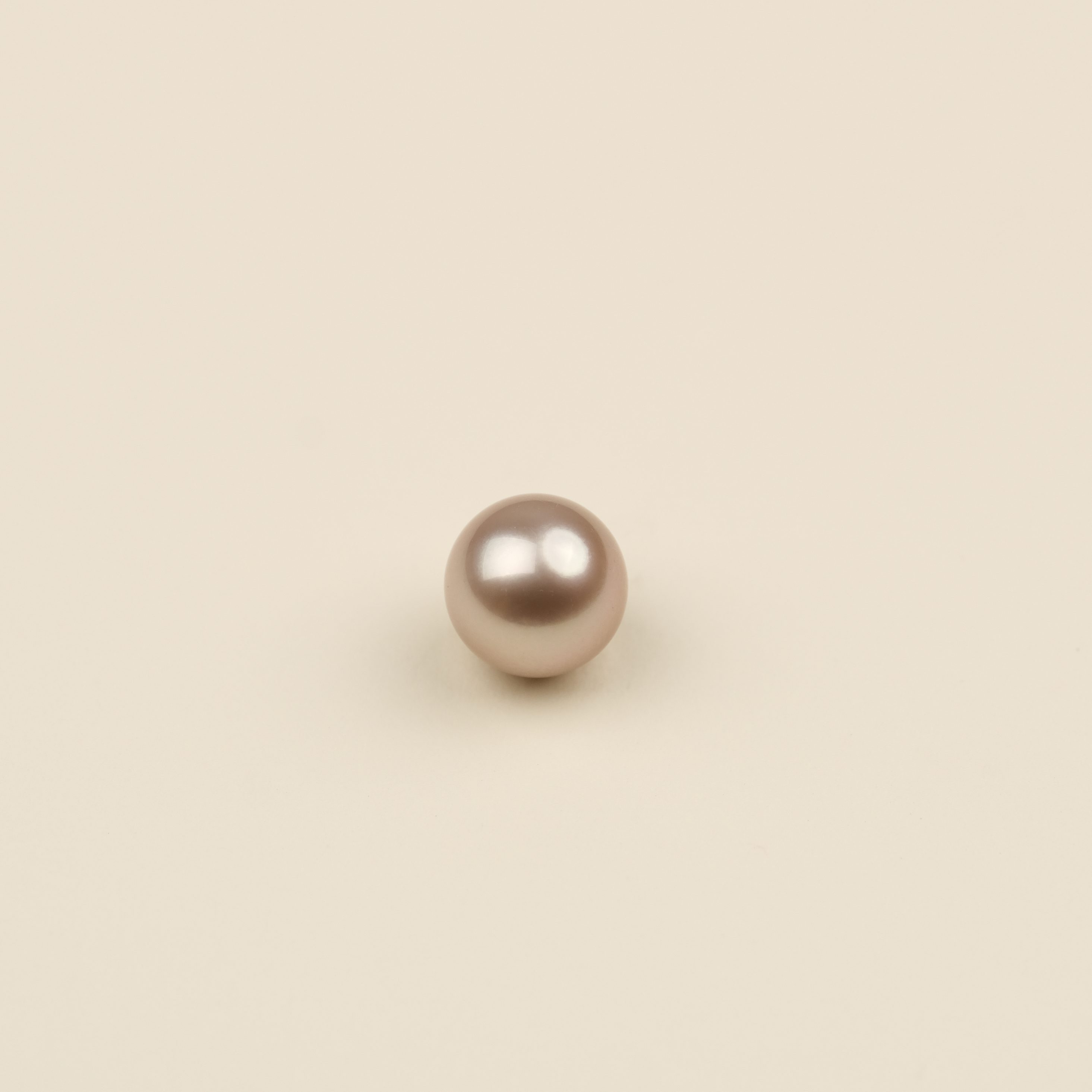 Purple
Overtone
The overtone is the translucent second colour that seems to float over a pearl's body colour and shifts as the pearl moves in the light. It comes from light passing through the thin layers of nacre, so it shows most clearly on pearls with fine, even nacre and high lustre. Not every pearl has one.
Overtone is not graded on a scale. We record it mainly on Akoya and Australian South Sea pearls when it is clearly visible in normal light. The most common we see are:
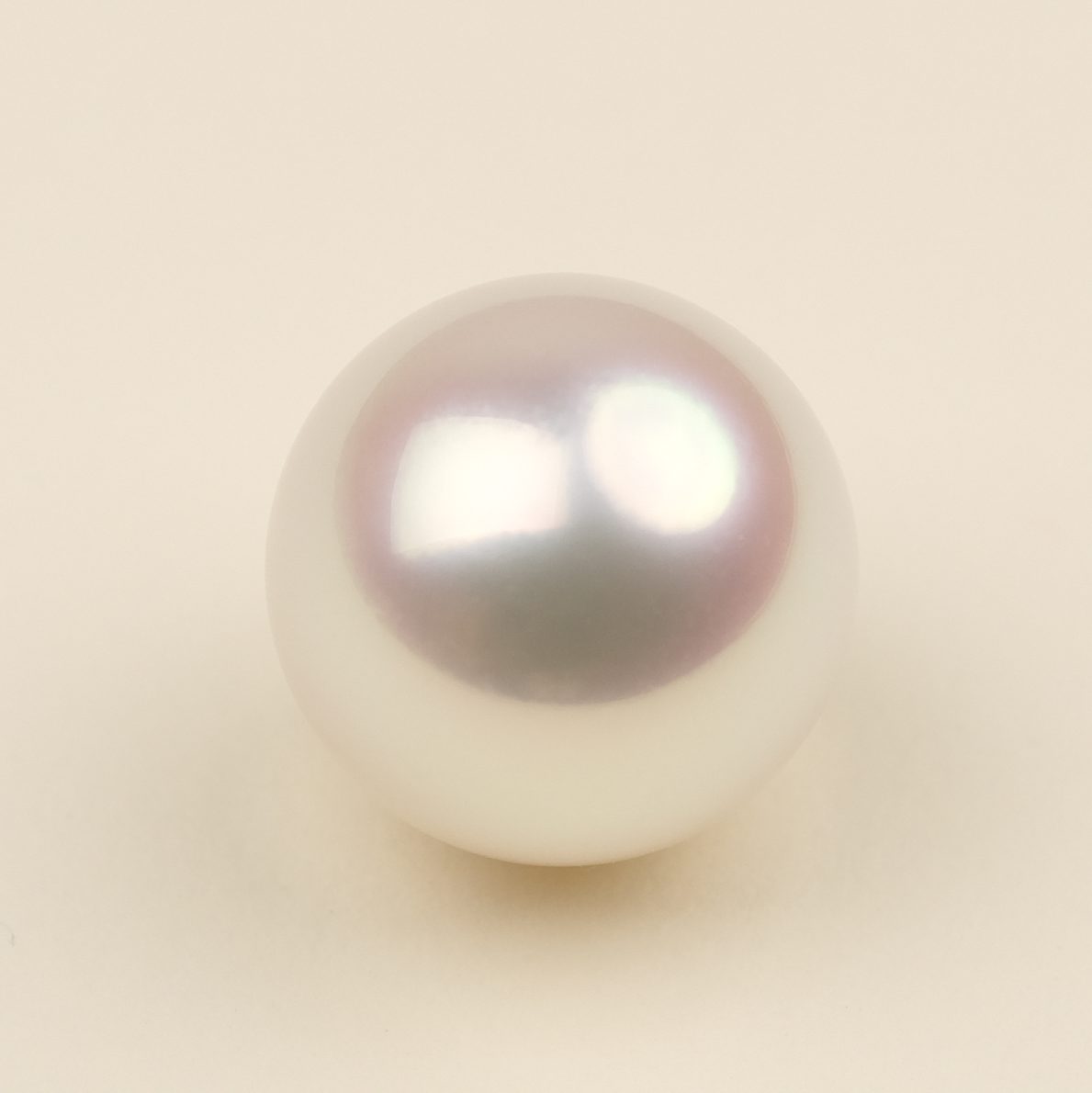
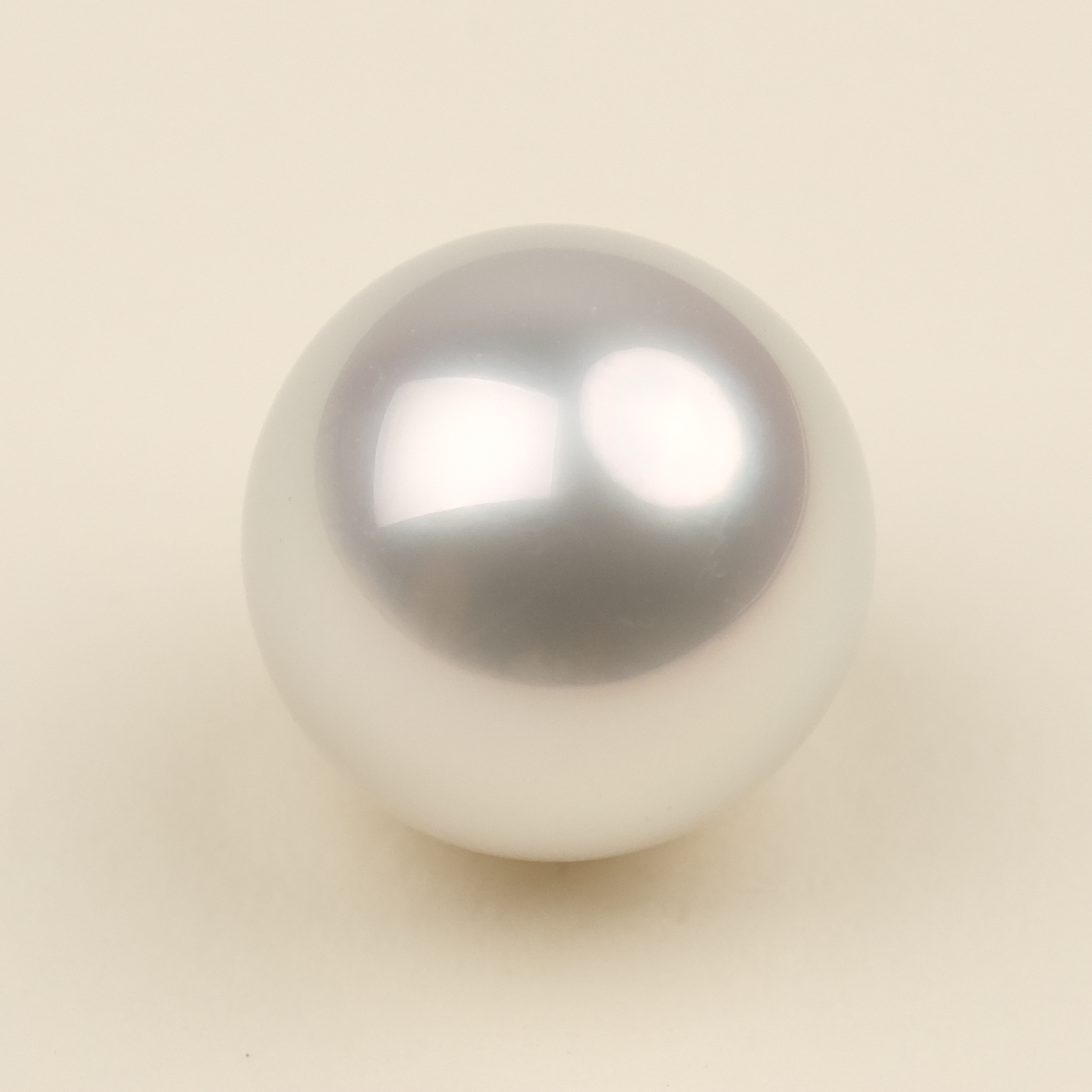 No overtone
An Australian South Sea pearl with no overtone
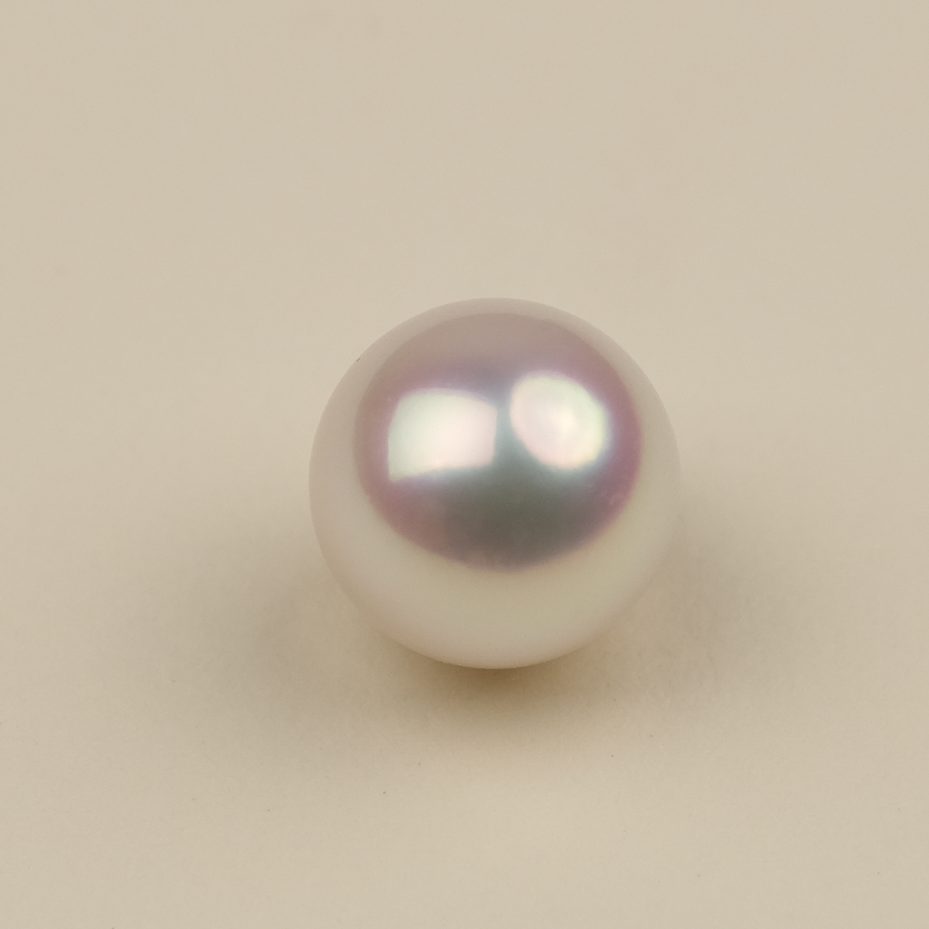
 Pink
An Australian South Sea pearl with a pink overtone
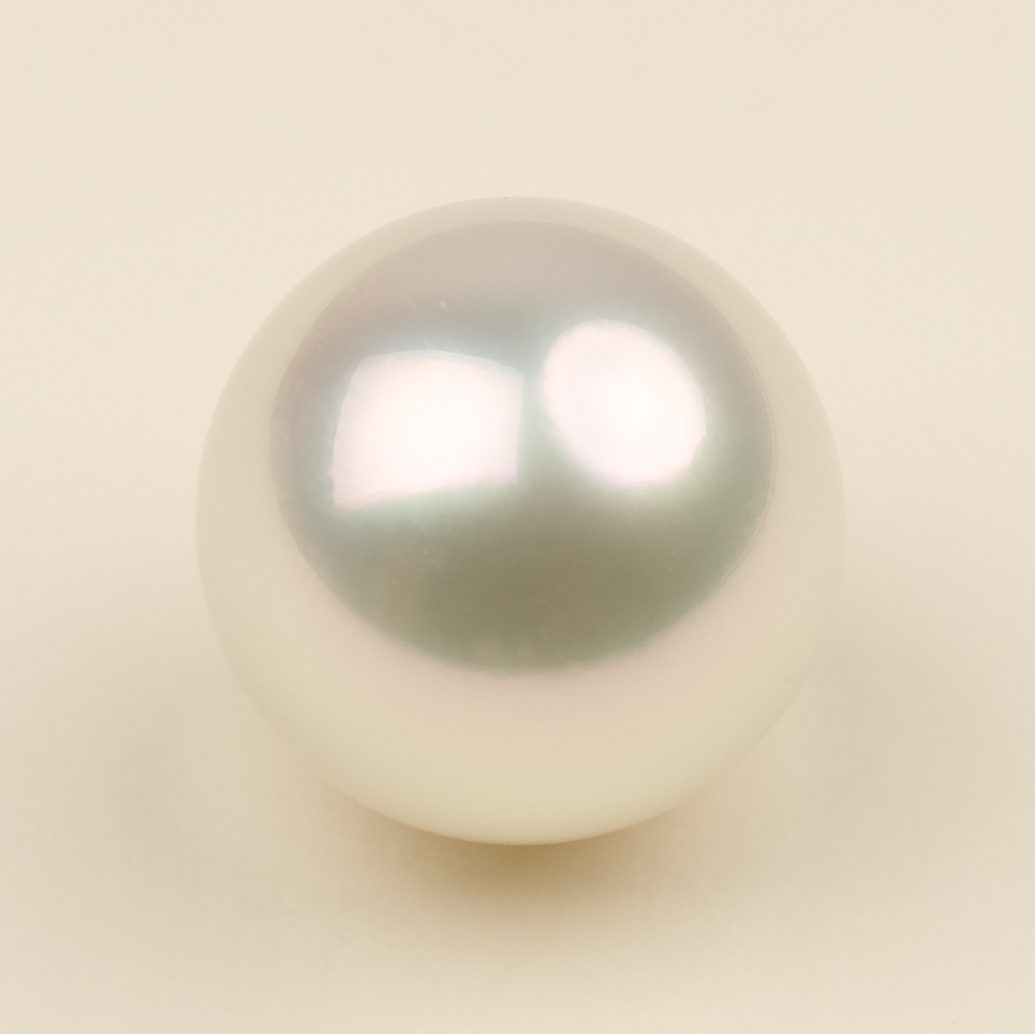
 Pink
An Akoya pearl with a pink overtone
 Green
An Australian South Sea pearl with a light green overtone
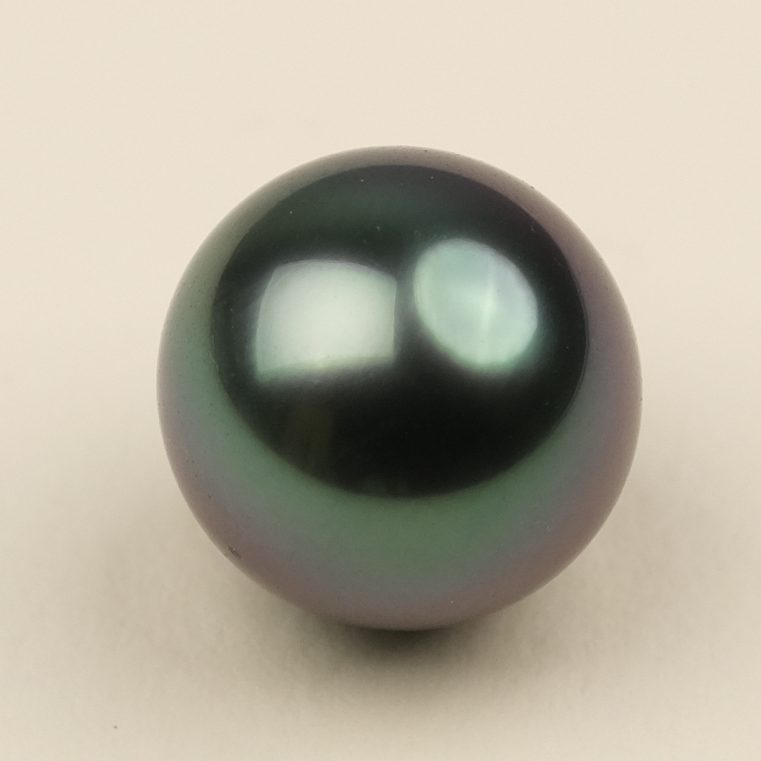 Green
A Tahitian pearl with a green overtone
Origin
We record where each pearl was grown: Australian South Sea, South Sea, Japan, Tahiti or China. Origin is guaranteed by Freya Pearls.
Treatment
We record whether a pearl has been treated, and how: None (natural colour and lustre), Treated, Treated (brightened) or Treated (dyed). Treatment is guaranteed by Freya Pearls.
Diamonds
Diamonds set with our pearls, mined or lab-grown, are graded on cut (Excellent to Poor), colour (D–F Colourless to S–Z Light), clarity (F and IF down to I3) and weight in carats.
Certificates
A Freya Pearls Grading Certificate records the grades above for every pearl in a piece. Each certificate has its own number beginning with FP, a photograph of the piece, its type, material and weight, and a grading table for each pearl and any diamonds. Pieces that come with a Freya Pearls certificate say so on the product page.
Some pieces also come with a certificate from a pearl laboratory or from the supplier we bought the pearls from, also listed on the product page:
Japan Pearl Institute and Pearl Science Laboratory are independent Japanese laboratories that test and grade pearls.
Australian Pearl Centre and Autore are among the suppliers we buy from, and their certificates come with the pearls they supply.
Hanadama is a grade given only to the finest Akoya pearls, and only by the Japan Pearl Institute or the Pearl Science Laboratory after testing. We only describe a piece as Hanadama when it carries one of their certificates.